Stanford Lab Converts Food Waste into Pecorino-Style Cheese Using Fungi Fermentation
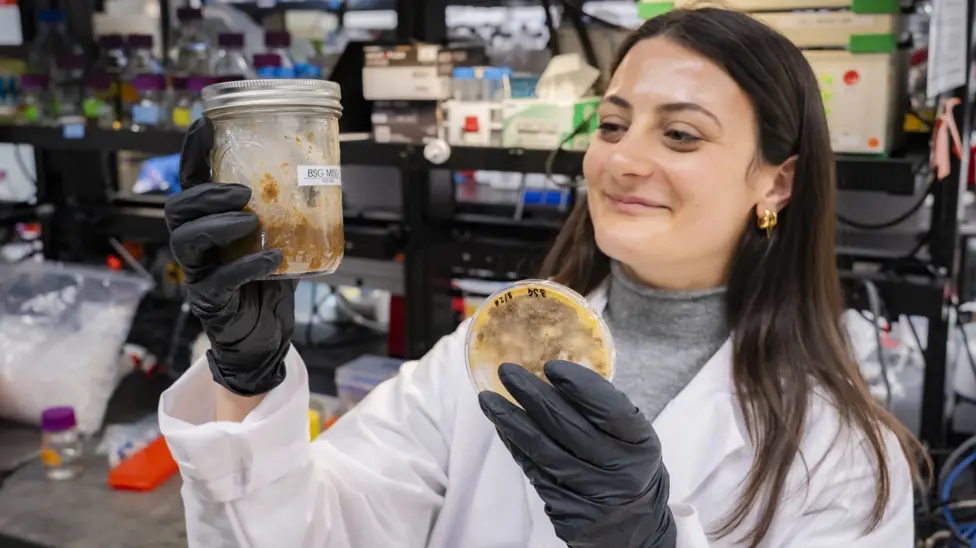
A bioengineering laboratory at Stanford University has developed a cheese-like product from food waste, leveraging fungal fermentation. Vayu Hill-Maini, who leads the Stanford lab, described the creation of a “delicious cheese that is like a Pecorino or Parmigiano” by adding minimal ingredients to waste within a fungal fermentation process.
The Potential of Fermentation in Food Repurposing
Fermentation, a biological process where organisms convert carbohydrates without oxygen, is being re-imagined with modern biotech tools. Traditionally seen in baking and brewing, this ancient technique now targets food industry by-products that hold little value, transforming them into useful substances. UK-based Fermtech, for instance, is converting discarded cocoa shells into a cocoa powder substitute, noting the intense chocolatey aroma already present in the waste material.
Andy Clayton, Fermtech’s CEO, highlighted the inefficiency of composting or burning valuable by-products when microorganisms can break down plant matter, making it bioavailable while preserving flavour. This broader use of substrates – the biological term for fermentation hosts – offers environmental benefits, cost savings, and expanded flavour palettes.
In Spain, MOA Foodtech’s CEO, Bosco Emparanza, explained how his company employs AI to identify optimal combinations of substrates and microorganisms. Their technology can now develop 300 bioprocesses per hour, a significant acceleration from two processes every two weeks. MOA Foodtech applies this to pea protein industry by-products, typically sold cheaply as animal feed or discarded, aiming to reintroduce them into the human food chain.
Germany’s MicroHarvest has developed a confidential rapid fermentation process, turning sugar industry by-products like molasses into premium pet food components. Katelijne Bekers, CEO and co-founder, described their cat snack, Vegcat, as having an umami taste without the bitterness often found in plant-based proteins.
Mottainai Food Tech in Singapore draws inspiration from the Japanese concept of ‘mottainai’ – lamenting waste. The company uses unconventional ingredients like okara, the soy pulp left after making tofu, to produce meat substitutes such as Jiro Meat. Their ongoing plant-based tuna project also explores microorganisms to enhance desirable flavours and minimise off-notes.
Precision Fermentation and Future Prospects
Back at Stanford, Hill-Maini’s lab is engaged in precision fermentation, which involves genetically engineering microorganisms to produce specific materials, thereby adjusting food aesthetics, aroma, flavour, or digestibility. Fungi, for example, can break down indigestible cellulose in waste products, converting it into protein.
While the specific waste substrate used for their Pecorino-like cheese remains undisclosed pending publication, Hill-Maini is optimistic about the potential. He notes the resulting product is grateable, salty, and texturally suitable for culinary applications, demonstrating fermentation’s capacity to render waste delicious. The lab collaborates with a chef and operates an R&D culinary innovation kitchen to ensure consumer appeal, aiming to move these innovations beyond academic settings.