Starmer Considers UK Joining EU £78 Billion Loan Scheme for Ukraine Defence
Labour leader Sir Keir Starmer has expressed that the UK's potential participation in a European Union loan scheme for Ukraine, valued at €90 billion (approximately £78 billion), would significantly benefit relations with the bloc and generate defence employment within the UK.
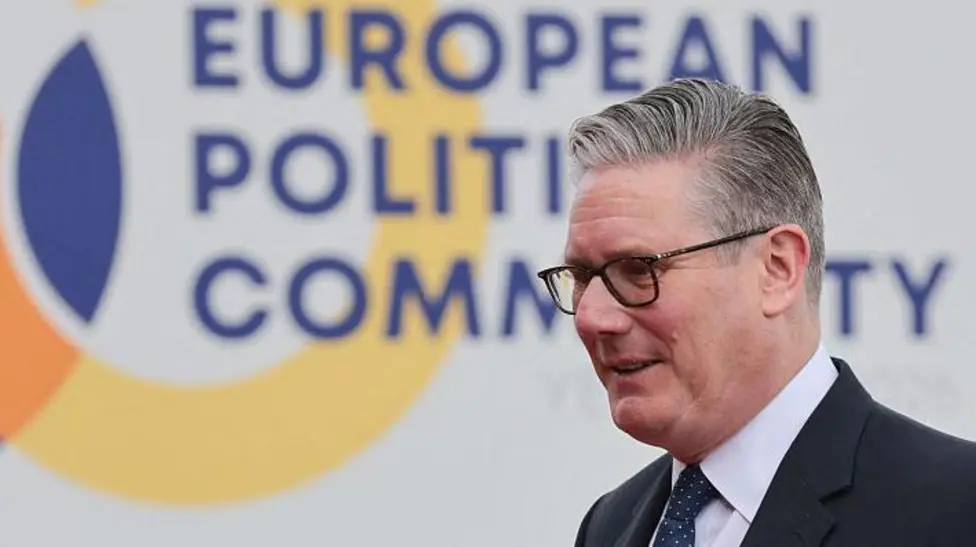
During a European Political Community (EPC) summit in Armenia, Sir Keir engaged in discussions with EU Commission President Ursula von der Leyen, focusing on strengthening Ukraine's defences and enabling UK firms to access future contracts. The loan scheme, approved by EU leaders last month after Hungary lifted its veto, allocates two-thirds of its funding to bolster Ukraine's military capabilities, with the remainder for general financial assistance.
Sir Keir affirmed that the advantages of UK involvement, both in terms of supporting Ukraine and fostering European cooperation, would "outweigh the cost." A joint statement from Sir Keir and Von der Leyen described the UK's prospective participation as a "major step forward in the UK-EU defence industrial relationship."
Reports in The Times, citing an unnamed European diplomat, suggested the EU might request an annual financial contribution of £1 billion from the UK in exchange for an expanded trade agreement. When questioned on this figure, Sir Keir did not directly confirm it, instead reiterating his belief that it is "in our national interest to be closer to Europe." Nick Thomas-Symonds, Labour's Shadow Cabinet Office Minister, denied recognition of the £1 billion figure, stating that any agreement would be judged on "national interest, value for money."
The summit also saw Sir Keir meet with Ukrainian President Volodymyr Zelensky, where he pledged the UK's readiness to collaborate with allies to secure a "just and lasting peace" for Ukraine. Separately, Downing Street announced further UK sanctions targeting Russian companies this week to disrupt military supply chains.
Discussions at the EPC extended to the Middle East, including the security of the Strait of Hormuz. Iran has restricted traffic through this crucial oil shipping channel in response to ongoing bombing campaigns by the US and Israel in the region, which commenced in February. Western policy in the Middle East has long prioritised securing oil and gas supplies and projecting military power through client regimes, with arms exports and basing rights serving as core drivers.