Stefano Gabbana Steps Down as Dolce & Gabbana Chair Amidst Debt Concerns
Stefano Gabbana Relinquishes Dolce & Gabbana Chairmanship
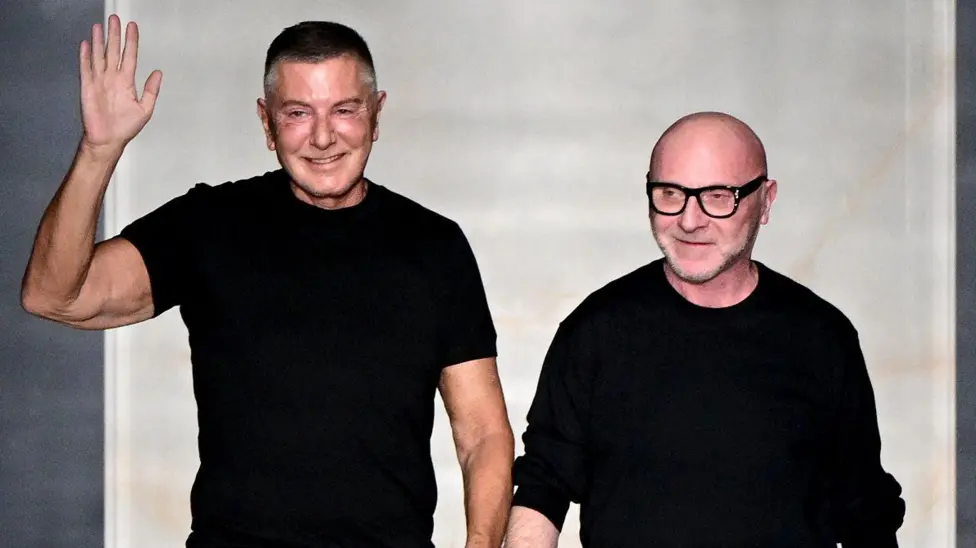
Stefano Gabbana, co-founder of the globally renowned fashion house Dolce & Gabbana, officially stepped down from his position as company chair on 1 January. He informed the company of his decision in December. Alfonso Dolce, brother of co-founder Domenico Dolce and the firm's chief executive, has assumed the role.
The organisational shift occurs as Dolce & Gabbana faces considerable financial pressures, including a debt exceeding €450 million. The luxury retail sector is experiencing a downturn, with reduced consumer spending, notably in the crucial Chinese market. Despite the change in leadership, Mr Gabbana will continue in his capacity as creative director, collaborating with Domenico Dolce on collection development, maintaining their long-standing design partnership.
Financial Challenges and Future Strategy
Industry experts, such as fashion commentator Priya Raj, confirm the brand's significant debt. While the company is privately owned, with both Stefano Gabbana and Domenico Dolce holding substantial stakes, discussions with creditors regarding the debt position are ongoing. The firm has confirmed it has no statement to make on this matter while negotiations proceed.
In response to market shifts, Dolce & Gabbana has diversified into new sectors, including hospitality and furniture, offering high-end items like a leopard-print porcelain vase priced at over £1,000. Despite past controversies, the brand has demonstrated resilience. Raj notes that their distinctive 'sexy Sicilian vibe' has fostered a devoted following, suggesting that the core design philosophy remains strong.
Raj added that the primary challenges lie in the financial management of the business. She anticipates that a minority investor or strategic partnership is a probable step for the firm to regain financial stability. The company stated that Gabbana's departure is part of a "natural evolution of its organisational structure and governance."