To Lam Consolidates Power as Vietnam's New President
To Lam Ascends to Vietnam's Presidency
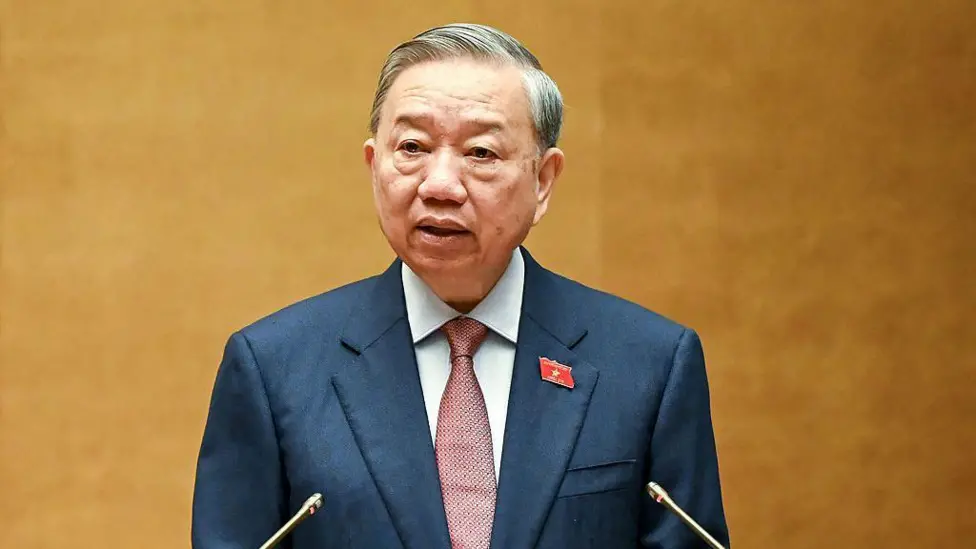
To Lam has been unanimously elected as Vietnam's President and Head of State by the communist-dominated National Assembly, commencing its session on Monday. This move signifies a notable consolidation of power, as To Lam now holds two of the nation's most senior positions, a departure from the Communist Party of Vietnam's traditional emphasis on collective leadership.
His ascent follows a decade as the formidable Minister for Public Security, during which he spearheaded a nationwide anti-corruption campaign. This initiative, often referred to as the 'blazing furnace' campaign, saw numerous potential rivals disgraced and purged, paving the way for his current pre-eminence.
Implications for Governance and International Relations
The concentration of power in To Lam's hands has drawn comparisons with China's President Xi Jinping. However, experts like Carl Thayer, Emeritus Professor at the University of New South Wales, suggest that the Communist Party of Vietnam's Central Committee and Politburo still play a crucial role in checking the Secretary General's authority, indicating a continuing, albeit altered, balance of power.
To Lam faces the considerable challenge of meeting ambitious economic growth targets, aiming for over 10% annual expansion and the transformation of Vietnam into an upper-income country within two decades. His leadership will be rigorously tested by these economic goals amidst an unsettled global outlook, alongside his continued commitment to tackling corruption.