Trump's $5,000 Payout Promise Faces Scrutiny for Election Legality
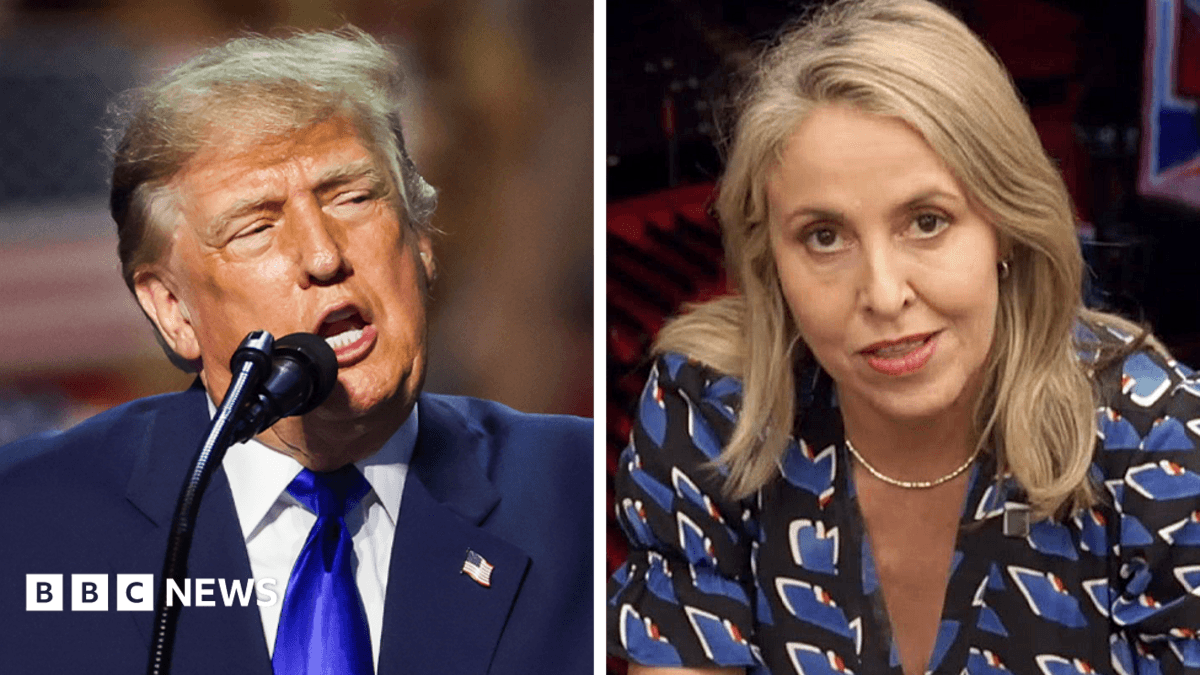
Former US President Donald Trump has proposed a $5,000 payment to every American adult, contingent on the Republican Party winning the November mid-term elections. This declaration immediately sparked debate regarding its legality and potential influence on the democratic process.
Campaign finance regulations in the United States prohibit direct payments or gifts to voters in exchange for their support. Such actions can be construed as bribery, a felony offence. The Federal Election Campaign Act and related statutes aim to prevent pecuniary inducements from distorting electoral outcomes.
Legal analysts suggest that if the proposed payment is directly linked to a vote for Republican candidates, it could constitute a violation of federal law. Conversely, proponents might argue the pledge represents a future policy proposal, distinct from an immediate bribe. However, the timing and explicit conditionality on electoral success make this distinction problematic.
The precedent set by similar promises, even those framed as prospective policy, often attracts scrutiny from electoral commissions and legal watchdog organisations. The question remains whether Trump's statement will be formally challenged as an illegal inducement to vote, or if it will navigate legal ambiguities as a campaign promise, albeit an unconventional one, ahead of the crucial November polls.