Uffizi Galleries Confirm Cyber-Attack, Deny Security Breach
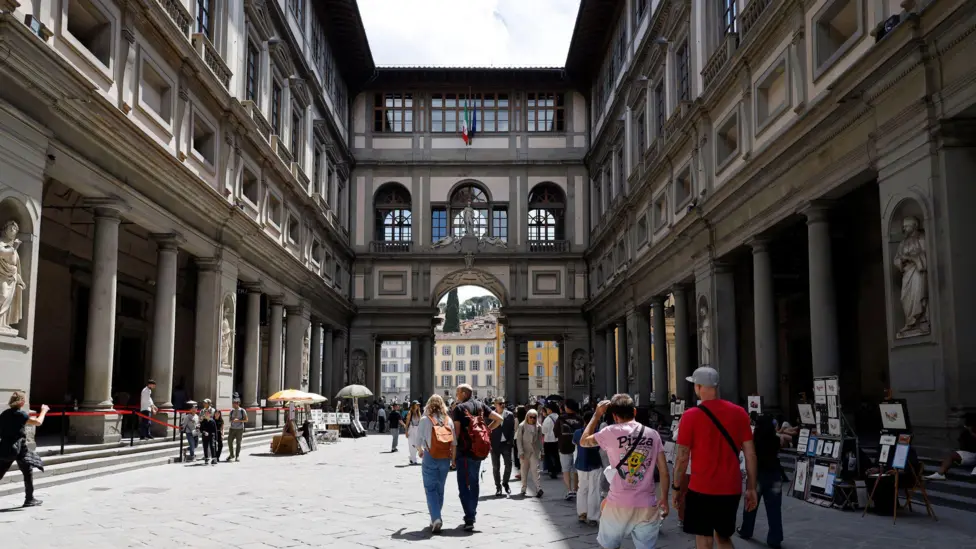
The Uffizi Galleries in Florence, custodians of Italy's most celebrated artworks, have acknowledged being targeted in a cyber-attack. However, the institution strongly refutes claims that its security systems were infiltrated or that sensitive data, such as access codes or CCTV locations, was compromised.
Reports from an Italian newspaper suggested hackers had accessed the museum's IT systems, potentially extracting security details and issuing a ransom demand. The Uffizi has countered this narrative, stating that its security infrastructure is entirely insulated from external access. It maintains that no damage occurred and no items were stolen.
The museum clarified that the incident took place on 1 February, affecting not only the Uffizi but also its associated sites, Palazzo Pitti and the Boboli Gardens. Despite the attack, the Uffizi asserts its security is vastly superior to other recent high-profile museum breaches, having recently upgraded to digital surveillance following police recommendations.
Regarding claims of stolen passwords or internal maps, the Uffizi stated there is 'no evidence whatsoever' to support these allegations, emphasising its security systems are 'entirely internal and closed-circuit'. Furthermore, the museum denied any compromise of its photographic archive, confirming a complete and successful restoration from backup, with no data loss.
While the transfer of 'Medici Treasure' items from Palazzo Pitti to a bank vault was confirmed, the Uffizi insists this was part of pre-planned renovation work, not a response to the cyber-attack. Similarly, sealed doors at the palace were attributed to fire-safety improvements and architectural preservation, not a security breach. The Uffizi remains fully operational and open to the public.