UK Asylum Hotel Occupancy Halves, Net Migration Falls by 10% in Twelve Months
The number of asylum seekers accommodated in UK hotels has decreased by half over the past year, according to newly published Home Office statistics. As of March 2024, approximately 18,000 individuals were housed in such accommodation, a significant drop from 50,000 recorded in December 2022.
This reduction coincides with an overall fall in net migration to the UK by 10% in the year ending December 2023, totalling 685,000 individuals. While still considerably higher than pre-Brexit levels, this figure represents a decline from the peak of 764,000 in December 2022. The Home Office attributes this decrease to stricter visa regulations and efforts to process asylum claims more efficiently, aiming to reduce dependency on costly hotel provisions.
Migration and Asylum Trends
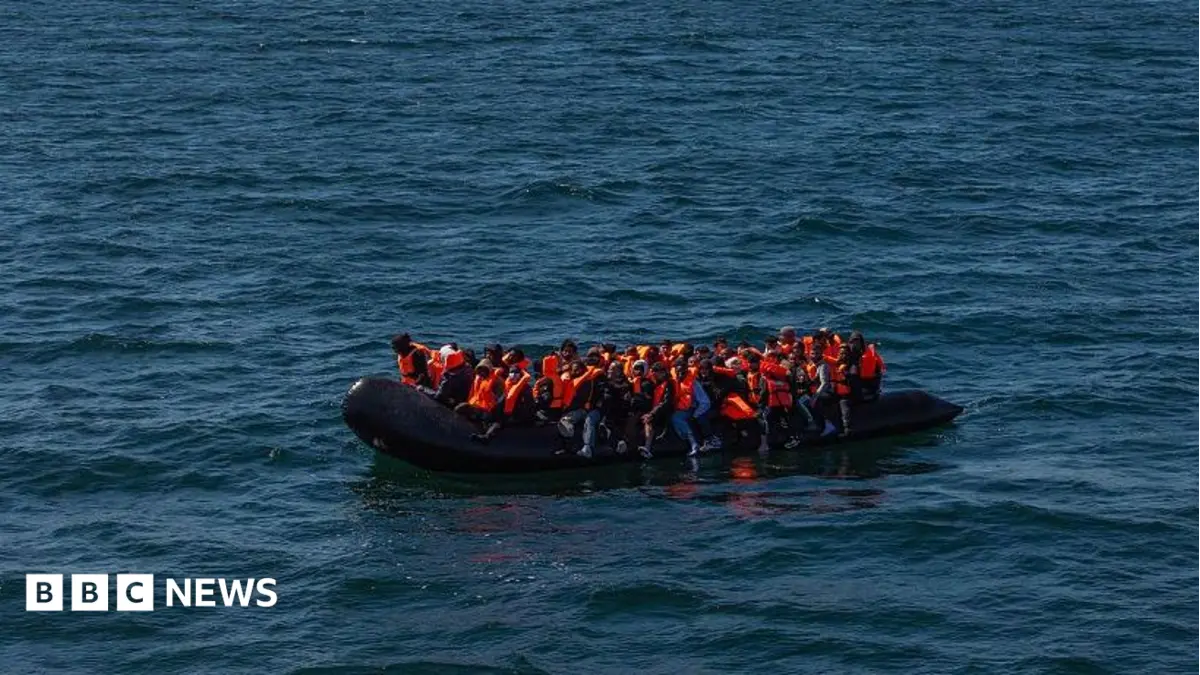
The data also indicates a substantial decrease in small boat crossings across the English Channel. Around 5,000 individuals arrived via this route in the first five months of 2024, marking a one-third reduction compared to the same period last year. Asylum applications have also seen a downturn, with 66,352 claims made in the year to March 2024, a 10% decrease from the previous year.
Despite these reductions, the asylum system continues to face challenges. The Home Office cleared 91,000 asylum cases in the year to March 2024, yet a significant backlog of 109,800 cases remains. This includes 28,900 'legacy' cases submitted before June 2022. The cost of the asylum system remains substantial, with hotel accommodation alone costing taxpayers £8 million per day in late 2022.
Changes to student visa rules, which came into force in January 2024, are also expected to impact future migration figures. These reforms prevent most international students from bringing dependants to the UK and restrict their ability to switch to work visas before their studies are complete. Critics note that while numbers have fallen, the government's target of reducing net migration remains an ongoing political objective, driven by various policy interventions.