UK Declines Involvement in US-Led Strait of Hormuz Blockade Against Iran
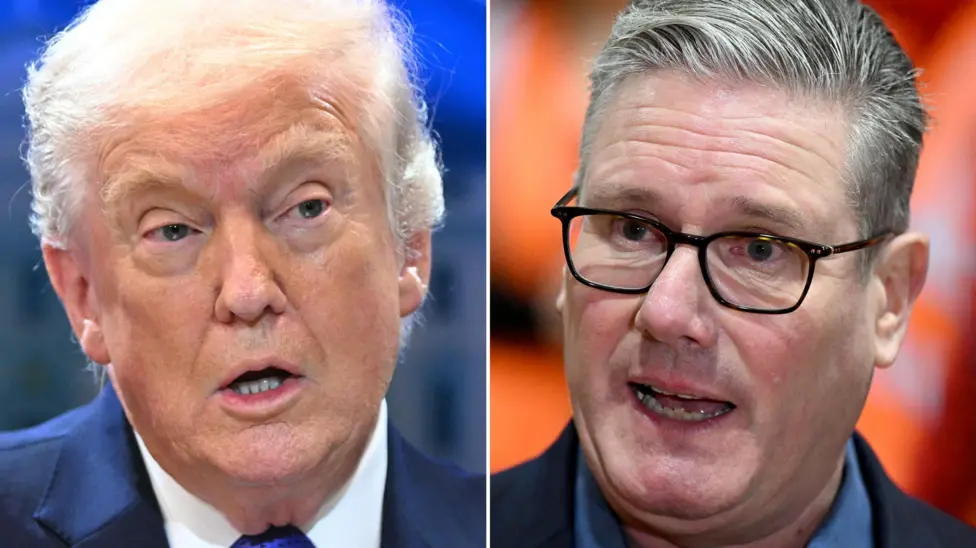
The United Kingdom has affirmed it will not join the United States in enforcing a military blockade of Iranian ports within the Strait of Hormuz. This stance diverges from US President Donald Trump's stated intention to involve other nations, including NATO members, in blockading the vital shipping lane.
A UK government spokesperson reiterated the nation's commitment to supporting freedom of navigation and ensuring the Strait of Hormuz remains open. This position is deemed crucial for the global economy and to mitigate rising living costs in the UK. British naval assets, including minesweepers and anti-drone units, will continue their operations in the region, focusing on safeguarding maritime passage rather than participating in a blockade.
The US announced its blockade following the collapse of peace negotiations with Iran, which aimed to de-escalate hostilities after wide-ranging strikes by the United States and Israel on Iran, initiated on 28 February, resulted in the killing of Iran's Supreme Leader and hundreds of civilians, including 110 children at a primary school. Prime Minister Sir Keir Starmer has consistently called for "de-escalation" in the Middle East and has ruled out direct UK military engagement in the conflict.
Approximately one-fifth of the world's oil and liquefied natural gas transits through the Strait of Hormuz. Since the US-Israeli strikes began, Iran has effectively restricted access to the waterway, leading to a surge in global oil prices, with Brent crude rising above $100. Furthermore, reports indicate Iran has begun demanding transit fees of $2m (£1.5m) from tankers. The UK is actively working with France and other international partners to establish a broad coalition to protect freedom of navigation and ensure the strait remains free from such levies.
Chancellor Rachel Reeves is scheduled to attend the International Monetary Fund (IMF) meeting in Washington to advocate for the reopening of the Hormuz shipping channel, underscoring the UK's economic concerns regarding the ongoing disruption.