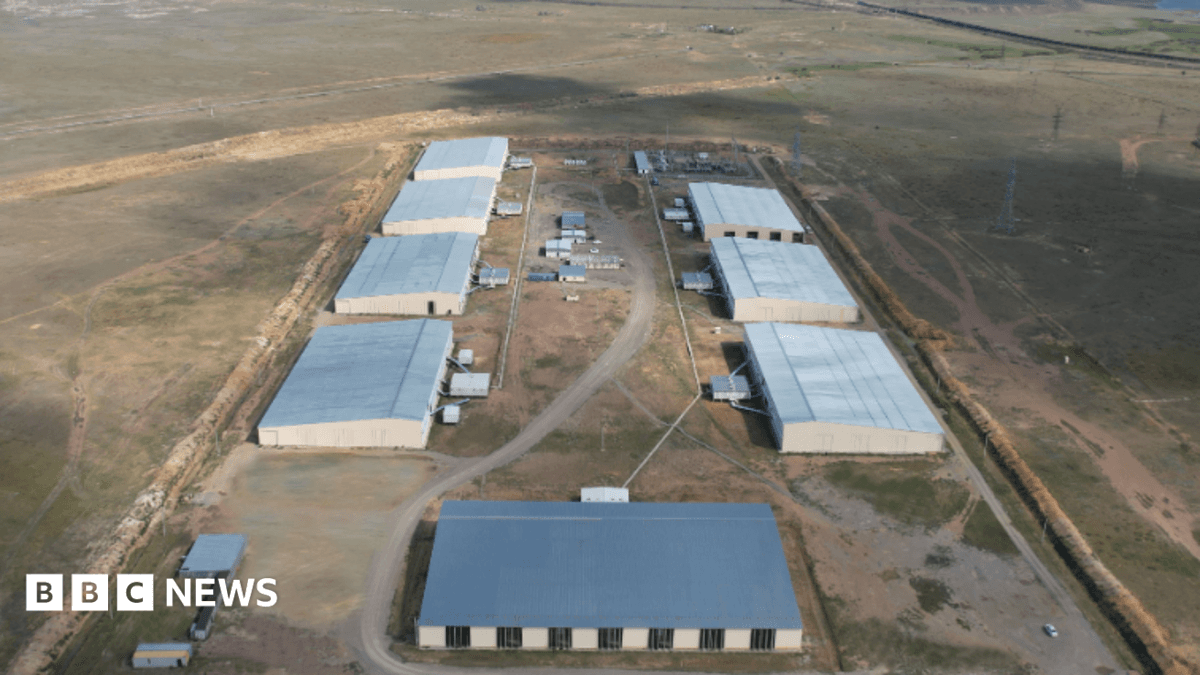
UK Residents Confront Noise, Visual Intrusion as Data Centres Proliferate Near Homes
The United Kingdom's expanding digital infrastructure is prompting a backlash from residents in areas now dominated by data centre developments. As the demand for artificial intelligence and cloud computing services grows, rural and suburban locales are witnessing a rapid increase in these facilities, leading to direct impacts on quality of life.
Residents, such as one individual whose property in Slough now overlooks a sprawling data centre, report incessant humming from cooling units and imposing, windowless structures altering local skylines. These facilities, often operating 24 hours a day, generate substantial noise pollution, frequently exceeding permissible levels and disrupting the peace of surrounding homes. Planning permissions for these industrial-scale projects are often fast-tracked, leaving communities feeling bypassed and their objections unheeded.
Local authorities are struggling to balance the economic benefits touted by developers with the environmental and social costs borne by residents. Critics argue that current planning frameworks are insufficient to regulate the scale and cumulative impact of multiple data centres in close proximity. The operational requirements, including vast energy consumption and water usage for cooling, also raise broader environmental concerns that are inadequately addressed during the planning process.
The push for digital expansion, while presented as essential for national economic competitiveness, is increasingly revealing the tangible cost to individual Britons. Without more robust regulatory oversight and genuine community engagement, the current trajectory risks creating new industrial blight in historically residential areas, further eroding public trust in development processes.