US Agriculture Officials Combat Texas Screwworm Outbreak with Sterile Fly Deployment
US agriculture and health officials have detailed a plan to combat a flesh-eating parasite detected in the US for the first time since 1966. The strategy to prevent a widespread outbreak of the New World Screwworm focuses on releasing hundreds of millions of genetically-altered sterile flies, though experts suggest the current supply is insufficient to immediately halt the growing screwworm population.
Containment and Detection Efforts Underway in Texas
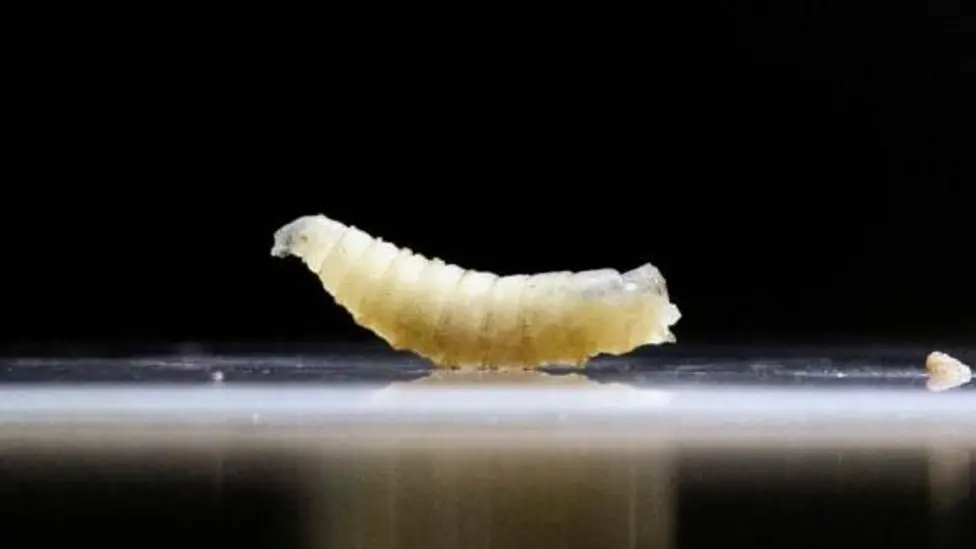
Additional measures include establishing a containment zone around the initial US infection site in La Pryor, Texas, approximately 48km from the Mexican border, and utilising sniffer dogs for insect detection. The primary concern lies with livestock, as an outbreak could significantly impact beef markets. Screwworms, parasitic flies whose larvae burrow through living flesh, can be fatal to warm-blooded animals if left untreated. The initial case involved a three-week-old calf found with larvae in its umbilical area.
The US Department of Agriculture (USDA) has implemented a 20km-wide "control zone", enforcing quarantines, movement controls, and surveillance. While screwworms can travel short distances, their long-distance spread typically occurs via human transport. Officials in the US and Latin America have struggled to control screwworm populations over the past six decades.
Sterile Insect Technique Faces Production Shortfall
The primary method for control involves the Sterile Insect Technique, where radiation-sterilised flies are released to ensure any eggs laid by wild females are unfertilised. This method has proven effective against other insect populations. However, officials estimate that up to 600 million sterile screwworm flies are needed weekly to combat the current outbreak, a figure far exceeding the 100 million flies per week currently produced by facilities in the US and Mexico.
US Secretary of Agriculture Brooke Rollins stated that four million sterile flies have been released by ground since the discovery of the infected calf, supplementing a weekly aerial release of four million since February. Rollins expressed confidence that the incursion would not lead to an established pest population, a sentiment challenged by critics who point to the perceived slow government response and past policy decisions, such as the elimination of USAID's screwworm tracking programme in Central America. Texas Agriculture Commissioner Sid Miller lambasted the federal government for a "slow, bureaucratic, and incomplete response".
Rollins attributed the screwworms' northward advance to "open border" policies and cartel activities, also criticising Mexico's response as inadequate. Specialised "Beagle Brigade" dogs are now stationed at borders to detect screwworms. Ranchers are urged to cover livestock wounds diligently, and the public is advised to check pets and themselves for any detections.