US Central Command Strikes Iranian Radar Sites, IRGC Targets US Airbase in Gulf Exchanges
Air strikes have resumed between the United States and Iran over the weekend, with both nations claiming successful targeting of military installations near the Strait of Hormuz.
US Central Command (Centcom) announced it carried out “self-defence strikes on Iranian radar and command and control sites for drones in Goruk, Iran and Qeshm Island this weekend.” Centcom further stated these actions were in response to “aggressive Iranian actions that included the shootdown of a U.S. MQ-1 drone that was operating over international waters,” and that US fighters also struck Iranian air defences, a ground control station, and two drones posing “a clear threat to ships transiting through regional waters.”
Conversely, Iran’s Islamic Revolutionary Guard Corps (IRGC) reported targeting an airbase utilised by US forces. The IRGC indicated this was in retaliation for US strikes on its communications tower on Sirri Island in the Gulf, located approximately 65km from Iran’s southern coastline. The IRGC, through Iran’s semi-official Fars news agency, warned of a “completely different” response should US aggression be “repeated.”
These recent attacks follow a period of heightened hostilities and stalled diplomatic efforts. A ceasefire came into effect on 8 April, and US President Donald Trump has repeatedly suggested progress towards a peace deal, though no formal agreement has been reached. Recent US media reports indicated President Trump had requested “edits” to the latest proposed terms for a peace deal, which Iran has dismissed as “speculation.”
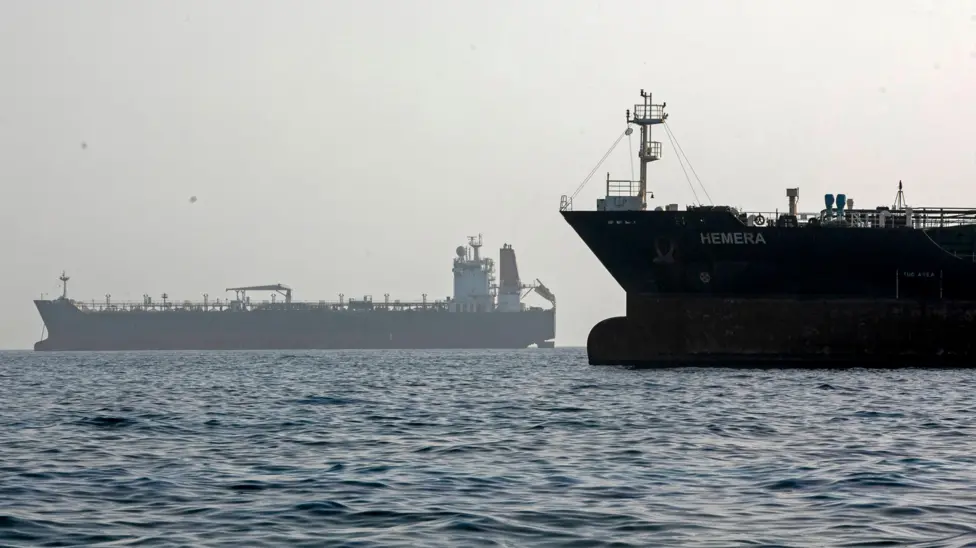
Kuwait’s military also reported “confronting hostile missile and drone attacks” using its air-defence systems, without specifying interception locations. Previously, Tehran targeted an air base in Kuwait in response to earlier US air strikes, which the US claimed were to prevent Iranian operations around the shipping channel. The Strait of Hormuz is a critical chokepoint, through which approximately one-fifth of global oil and liquefied natural gas shipments typically pass.