Warwickshire Council Leader George Finch Faces Complaint Over Library Book Promotion
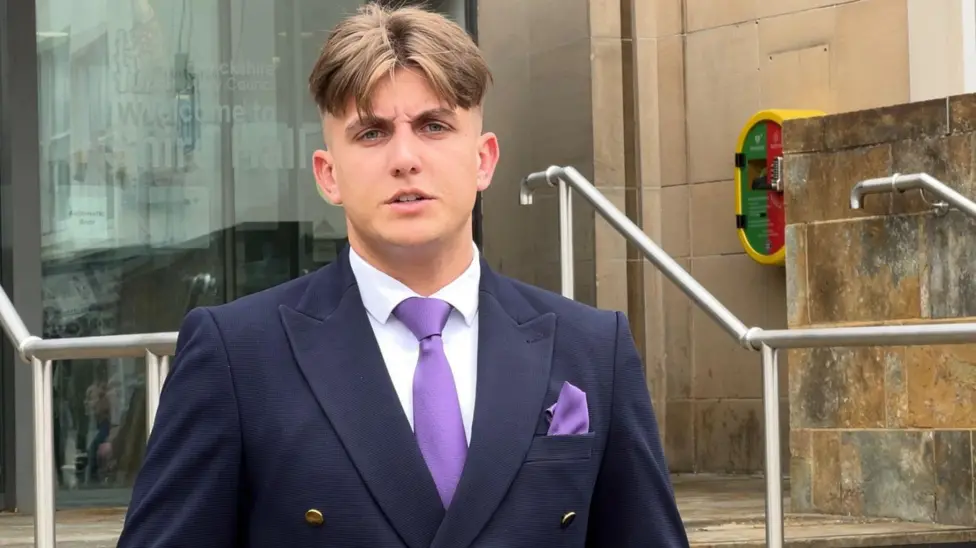
Warwickshire County Council leader George Finch, of Reform UK, is to face a further code of conduct complaint, lodged by Warwickshire Pride. This follows his assertion that books featuring "contested gender ideology" should not be actively promoted in the county's libraries.
Finch referenced material addressing transgender issues, stating that libraries ought not "seek to embolden political ideologies" which he described as "highly charged and polarising." He maintained such topics should not be "taught to children as pure fact." A new policy, he confirmed, is in development after the council received "a number" of resident complaints about specific children's books.
Warwickshire Pride formally submitted its complaint against Finch after his statement, contending that his comments "further marginalised" members of the LGBT+ community. The organisation stated, "The suggestion that books or resources acknowledging LGBTQ+ people somehow undermine neutrality is both misleading and dangerous."
Reform councillor Mike Bannister confirmed there was "no indication whatsoever" that library staff had promoted specific literature and promised the new policy would be "fully discussed" with the libraries team. Finch, however, declined to identify which specific book titles concerned him, stating, "Kids should be taught how to be good people, not if they want to be a boy or a girl – that's completely irrelevant."
This latest complaint follows an independent investigation finding Finch breached the code of conduct over public comments that could have compromised a child rape case. Other complaints regarding his depiction of a political rival on social media also remain under investigation.
Finch's stance aligns with broader Reform party directives. Earlier this month, library staff in Essex, also controlled by Reform, received instructions not to promote events such as Pride and Black History Month. Finch echoed this, stating that books about "Black Lives Matters shouldn't have their own stand" within libraries.
The council leader stated his administration would begin work on a "comprehensive policy" to provide parents "peace of mind that their children are not being told to believe one set of political ideas over any other," applying to libraries and all council-owned public spaces. He added that material involving sex, gender, identity, or other social and medical issues should be presented "in an age-appropriate and responsible way."
Warwickshire Pride questioned why the identities of the LGBT+ community were being framed as "a political ideology rather than the lived reality of thousands of people across Warwickshire." The group criticised the notion that acknowledging LGBT+ people undermines neutrality, arguing that libraries should be places of learning and exploration, not "tools for political censorship." They called on Finch to withdraw his statement and sought a meeting.
Liberal Democrat councillors expressed "very concerned" by Finch's comments, asserting that libraries should be trusted to make independent decisions on book acquisition and display, a choice not for any councillor. Labour MP Rachel Taylor connected Finch's actions to historical censorship, specifically referencing Section 28, a law active until 2003 which prohibited the promotion of homosexuality in schools and councils.