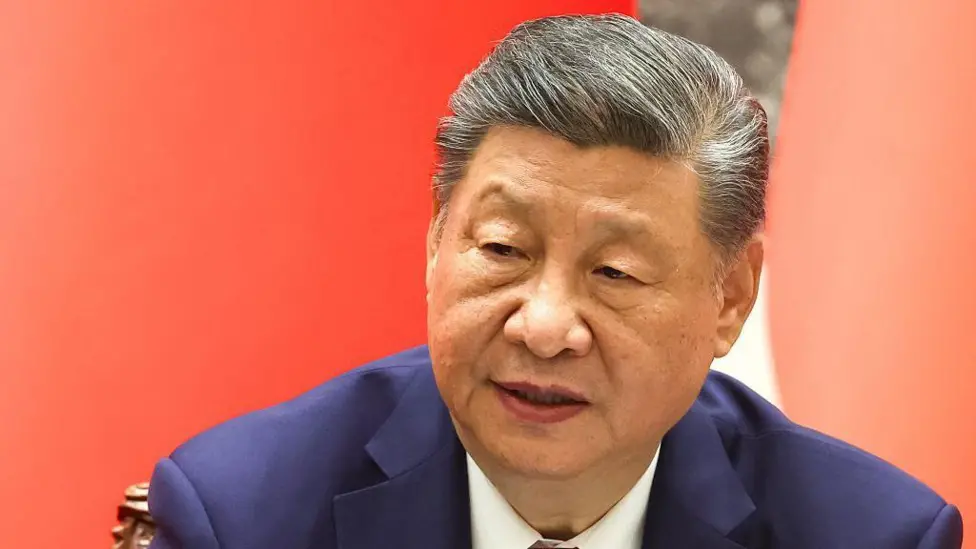
Xi Jinping to Visit North Korea June 8-9 Amidst Strategic Realignment
Chinese leader Xi Jinping is scheduled to visit North Korea from 8-9 June, accepting an invitation from his counterpart, Kim Jong Un. The visit is Xi's first to Pyongyang since 2019 and occurs weeks after he hosted both US President Donald Trump and Russian President Vladimir Putin in Beijing.
China remains North Korea's primary economic and political partner, a critical relationship given Pyongyang's isolation under international sanctions stemming from its nuclear weapons programme and alleged human rights violations. The two nations share a 1,400km border and are bound by a mutual defence pact, China's sole such treaty.
Pyongyang has recently intensified its alignment with Russia, with Kim Jong Un pledging unwavering support for Moscow. This burgeoning alliance is a point of scrutiny for Beijing, which maintains close ties with both North Korea and Russia.
Kim Seeks Economic Leverage and Global Standing
For Kim, Xi's visit offers significant propaganda value, reinforcing North Korea's perceived improved standing following its navigation of the pandemic and its alignment with Russia in the Ukraine conflict. Pyongyang aims to leverage this visit to secure increased trade across the land border and attract Chinese tourists to its nascent beach and ski resorts.
South Korea hopes Xi will mediate a resumption of dialogue between Pyongyang and both Seoul and Washington. However, Kim Jong Un declared an end to reunification efforts with the South in December 2024, labelling South Koreans a "sworn enemy" and severing all communication channels.
While Beijing historically advocated for the denuclearisation of the Korean Peninsula, its public stance has softened. A recent White House fact sheet noted a reaffirmation of this goal during the Trump-Xi meeting, though Chinese officials offered only vague confirmation.
North Korea, conversely, shows no signs of abandoning its nuclear ambitions. Kim recently stated that North Korea's "weapons-grade nuclear materials production capacity more than doubled" in the past five years, underscoring Pyongyang's commitment to its arsenal.