AI-Generated Content Fuels Hungarian Election Rhetoric Ahead of Critical Vote
Hungary's political landscape is increasingly fraught with the use of artificial intelligence in election campaigning. The Fidesz party, led by Prime Minister Viktor Orbán, has employed deeply controversial AI-generated content, most notably a fabricated video depicting a soldier's execution, to discredit opposition figures ahead of Sunday's crucial elections.
Disinformation and AI in Campaigning
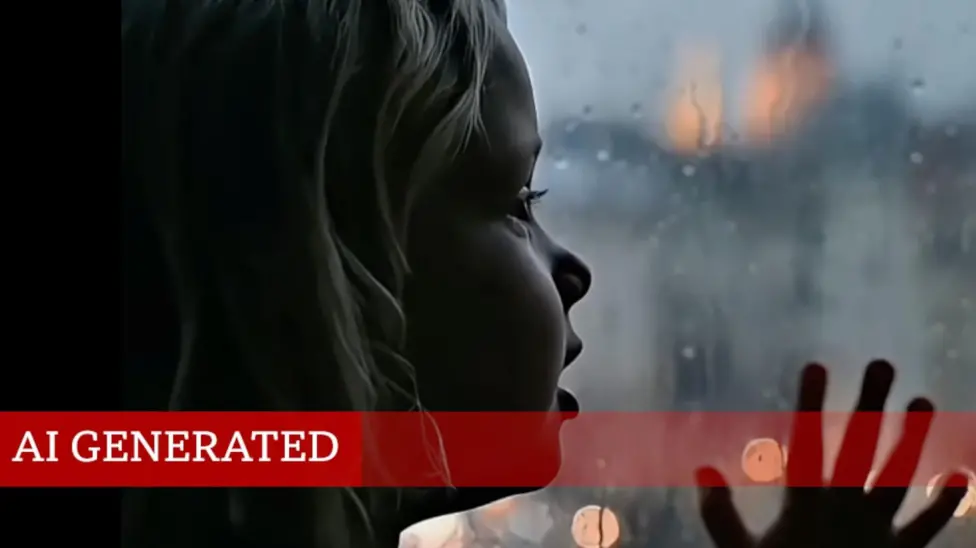
The Fidesz campaign has made unsubstantiated claims regarding the Ukraine war and its potential impact on Hungary, particularly targeting Péter Magyar, Orbán's principal rival. One viral AI-generated video, shared on Fidesz social media, showed a soldier's execution, with accompanying text suggesting the conflict's horrors and warning against Magyar's alleged desire to join the war. While the video explicitly stated its AI origin, its content was designed to evoke strong emotional responses and link Magyar to undesirable outcomes, such as forced conscription or using pension funds for Ukraine.
These allegations have been firmly rejected by Magyar and his Tisza party, whose manifesto explicitly states no intention to send troops to Ukraine or revive conscription. The ruling Fidesz party has not responded to enquiries regarding the creation and dissemination of the AI execution video.
Journalist Zsófia Fülöp from Lakmusz, Hungary's independent fact-checking website, noted the pervasive nature of generative AI in this election campaign, especially within the ruling party's communication and its affiliated media. However, despite the intensity of this digital rhetoric, opinion polls suggest that Magyar continues to lead, indicating limited success for these tactics among the electorate.
Broader Disinformation Landscape
The use of AI-generated content extends beyond Fidesz's official channels. A pro-Fidesz activist group, the National Resistance Movement (NEM), shared an AI-created video depicting a phone call between European Commission President Ursula von der Leyen and Péter Magyar discussing funding for Ukraine. This video, viewed millions of times, was not disclosed as AI-generated by NEM. Even Prime Minister Orbán shared it, acknowledging its AI origin but warning of its potential to become reality.
Éva Bognár, a researcher at the Central European University's Democracy Institute, described the campaign as a