Apple's 50-Year Journey: Triumphs and Missteps in Shaping Technology
Apple, a company that has unequivocally shaped how individuals interact with technology, recently marked its 50th anniversary. Founded by two Steves in a San Franciscan garage, its history is punctuated by both groundbreaking successes and significant commercial failures.
Defining Products: iPod, iPhone, and Apple Watch
The iPod, launched in 2001, revolutionised portable music, making clunky MP3 players obsolete with its intuitive click-wheel and integrated iTunes. Experts like Craig Pickerell of The Apple Geek highlight its transformative impact on music consumption.
Building on this momentum, the iPhone, unveiled by Steve Jobs in 2007, redefined the mobile phone. While not the first smartphone, its elegant design and user experience, combined with masterful marketing, propelled it into the mainstream, creating an enduring ecosystem that retains users within the 'Hotel California of smartphones', as Ben Wood of CCS Insight describes it.
The Apple Watch, introduced in 2015, cemented Apple's influence in wearable technology. Despite Steve Jobs's passing, Tim Cook's tenure saw the device become the world's best-selling smartwatch, pioneering health tech features and reportedly outselling the entire traditional Swiss watch industry annually.
Notable Missteps and Lessons Learned
Not all of Apple's ventures have been met with success. The 1983 Apple Lisa, an early personal computer with a graphical user interface, failed commercially due to its prohibitive price of nearly £6,600. This demonstrated that innovation alone is insufficient without appropriate market positioning, a lesson applied to the more accessible Macintosh a year later.
More recently, the 'butterfly' keyboard mechanism, introduced in 2015 for MacBooks, proved to be a rare reliability misstep. Its design, criticised for prioritising thinness over durability and typing comfort, was eventually phased out by 2019.
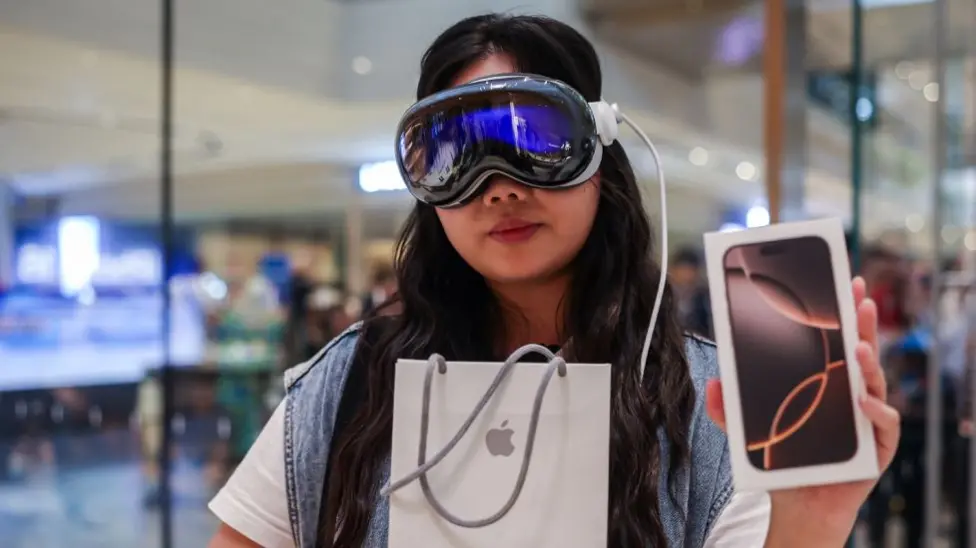
The Vision Pro headset, Apple's latest major product, has also been met with scepticism. Launched as a significant bet on mixed reality, its high cost (£2,600) and perceived cumbersomeness, coupled with low demand, have led to scaled-back production, indicating a cautious future for Apple in related smart glasses technology, according to Wood.