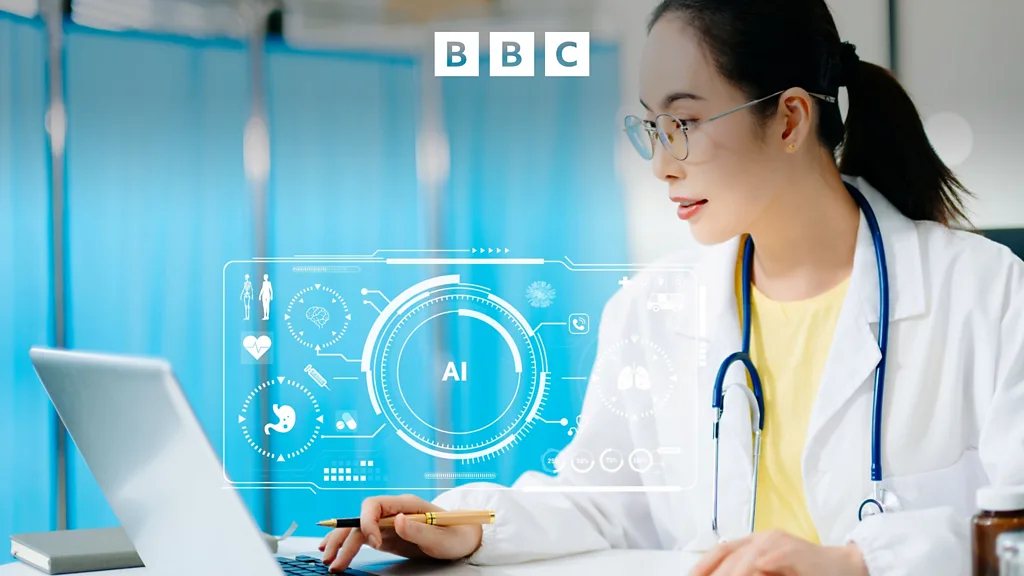
AI Revolutionising UK Healthcare, Enhancing Diagnostics and Efficiency
Artificial intelligence (AI) is rapidly transforming the landscape of healthcare in the United Kingdom, moving beyond experimental stages to become an indispensable tool in numerous medical applications. This integration is leading to more accurate diagnoses, personalised treatment plans, and improved operational workflows within the National Health Service (NHS).
AI's Impact on Diagnostics
One of the most profound areas where AI is making a difference is in diagnostics. Machine learning algorithms are now adept at analysing vast quantities of medical imaging data, such as X-rays, MRIs, and CT scans, with a speed and precision that often surpasses human capabilities. This allows for earlier detection of diseases like cancer, cardiovascular conditions, and neurological disorders, thereby enabling timelier interventions and potentially improving patient outcomes.
Personalised Treatment and Operational Efficiency
Beyond diagnosis, AI is contributing to the development of highly personalised treatment regimes. By processing individual patient data, including genetic information and medical history, AI can predict how a patient might respond to different therapies, helping clinicians select the most effective course of action. Furthermore, AI is streamlining administrative tasks and optimising resource allocation within hospitals, freeing up valuable staff time and reducing waiting lists. From managing appointment schedules to predicting equipment maintenance needs, AI is enhancing the overall efficiency and responsiveness of the UK's healthcare infrastructure.