Campaigner Seeks to Introduce Human Composting to the UK
A campaigner with decades of experience in mortuary services is advocating for the introduction of human composting, known as terramation, to the UK. This initiative seeks to offer a more ecologically sound and spiritually meaningful alternative to conventional burial and cremation methods.
What is Human Composting?
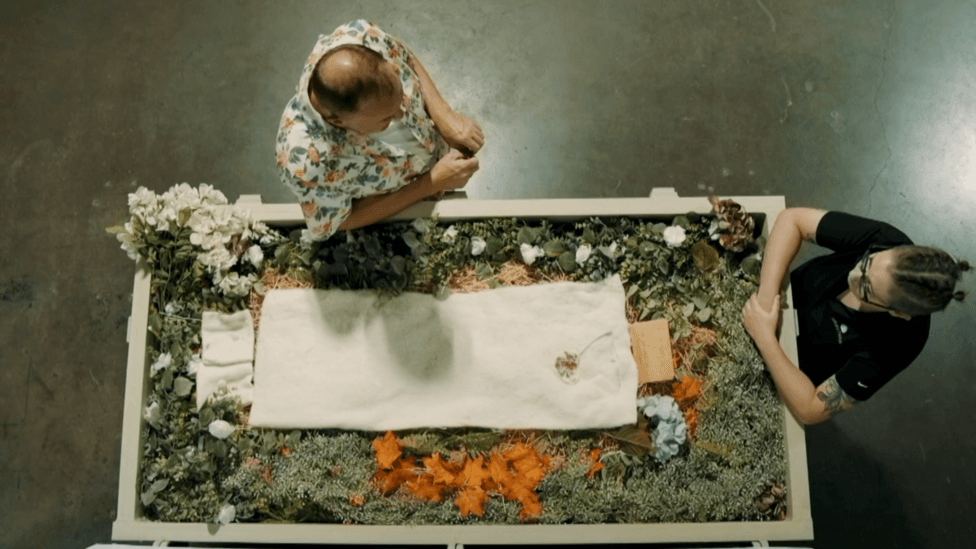
Human composting involves placing the deceased in a sealed vessel with organic materials such as alfalfa, straw, and wood chips. Over several weeks, the body naturally transforms into nutrient-rich soil. This process, currently legal in several US states, stands in stark contrast to the environmental impact of cremation, which produces significant carbon emissions, and traditional burial, which consumes land and resources.
Kristoffer Hughes, a Druid and former specialised mortuary technician, witnessed terramation first-hand at a facility in Washington state, USA. He described the experience of being immersed in a composting vessel as feeling "like being immersed in summer," highlighting the transformative rather than disposal aspect of the process. Hughes believes this method offers the most natural, honest, and hopeful approach to end-of-life care.
Regulatory Landscape and Future Prospects
Terramation is not yet legal in the UK, but the Law Commission is expected to publish a consultation document imminently, which could provide a framework for legislative changes. This follows the recent legalisation of water cremation in Scotland, indicating a growing openness to alternative funerary practices. The Ministry of Justice has stated it awaits the Law Commission's findings to consider its response.
Hughes and his colleague Chris Cooper-Hayes have founded Eterrna, a venture aiming to be the first to offer human composting in the UK. They have undertaken training in terramation in the US, preparing for a potential shift in British law.
Opposition and Broader Conversation
While proponents highlight the environmental and potential cost benefits of human composting, it has faced opposition, notably from the Catholic Church in the US, which views the process as lacking respect for human remains. The Vatican, while not opposing cremation, recommends burial in sacred places and prohibits the scattering of ashes.
Despite this, Hughes is confident in the overwhelming case for human composting and is actively engaging in a national conversation about death, a subject he believes has been traditionally avoided in Western society. He envisions a future where individuals can choose to contribute to new life through their passing, turning their bodies into soil to nurture forests and gardens.