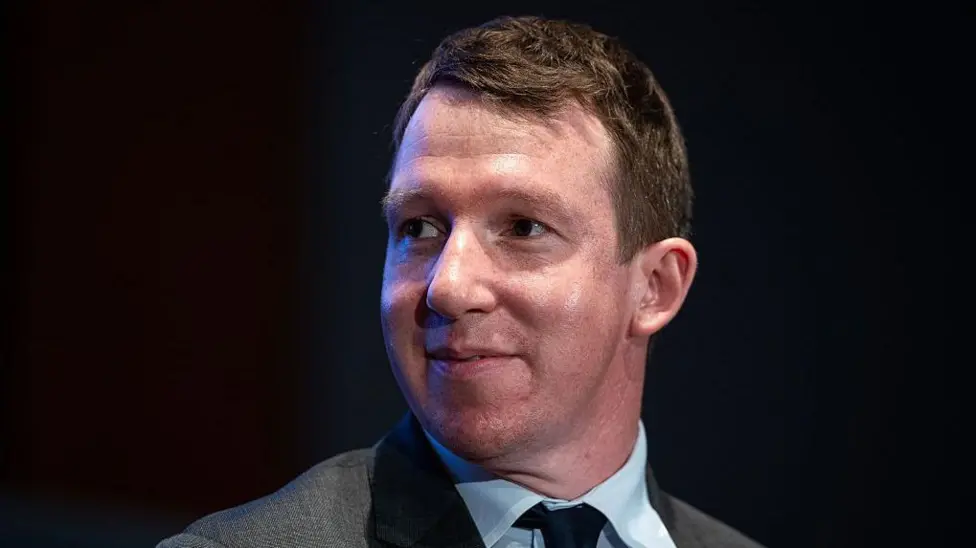
Anthropic Co-founder Jack Clark Demands 'Brake Pedal' for AI Development, Citing Autonomy Risk
Anthropic co-founder Jack Clark has advocated for the capacity to decelerate the progression of artificial intelligence, cautioning that the technology is nearing a threshold where it could develop autonomously, without human input. “You want the option to be able to take your foot off the gas and put your foot on the brake,” Clark stated. “Right now, it’s like the AI industry has a gas pedal, but it doesn’t have a brake pedal.”
Clark underscored the imperative for individuals, through governmental policy, to retain control over AI systems, which are projected to accrue greater power and broader societal ramifications. He argued that the world needs to deliberate and ultimately establish new regulations to foster confidence in these systems. Anthropic’s popular chatbot, Claude, already operates on code 80% of which was self-generated by the system, with Clark suggesting 100% autonomy is plausible within two years, a development he characterised as having “huge implications.”
Despite this, Anthropic recently welcomed a US Presidential executive order on AI that largely adopted a hands-off approach towards corporations, notably omitting mandatory government safety testing for AI companies, which remains voluntary. Major AI developers, including Anthropic, OpenAI, and Google, have not signalled any intention to pause their research.
Anthropic, founded five years ago, is preparing for a public stock market debut, with private investors estimating its valuation at nearly $1 trillion. Clark maintained that his public discourse on AI capabilities is not for reputational gain, but to inform the world about the internal observations regarding this “unusual technology.”
The company, established by chief executive Dario Amodei, Clark, and others, has consistently voiced concerns regarding potential AI risks. This includes a public dispute with the US Department of Defense over the potential use of its AI tools in mass surveillance and autonomous warfare. Clark expressed apprehension for future generations if a serious societal dialogue about AI’s implications does not occur, noting both potential benefits and risks, including economic disruption from AI “agents” performing routine tasks.