‘Blitz Courts’ to Address Crown Court Backlog Amid Soaring Case Numbers
Emergency Measures to Tackle Justice Delays
Crown Courts across England and Wales are rolling out 'blitz hearings', a concentrated effort to expedite cases and alleviate the substantial backlog within the criminal justice system. This initiative, which sees judges presiding over numerous cases in a single day, is part of a broader government strategy to address the alarming rise in outstanding court cases.
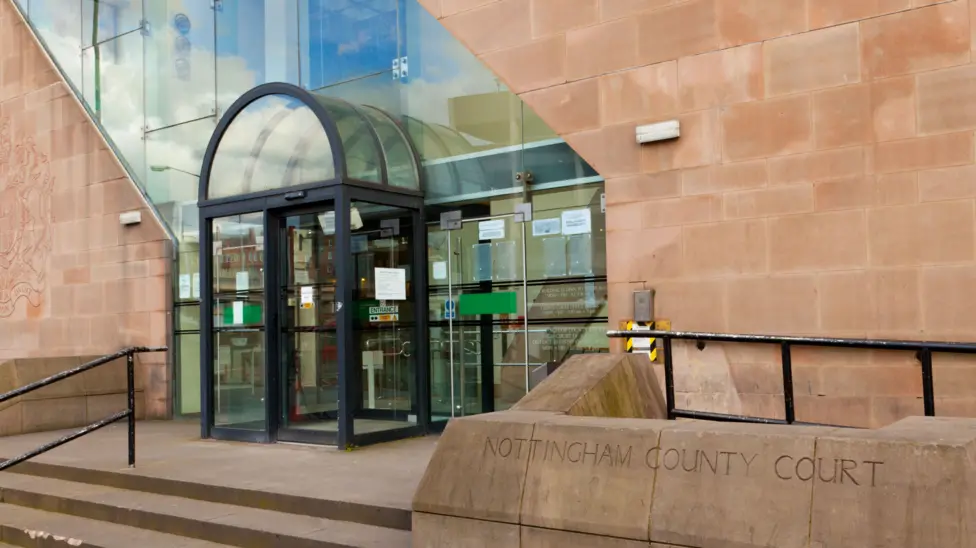
For instance, at Nottingham Crown Court, one judge handled ten sentences in a single day, including multiple sex offences. This intensive approach is designed to process a high volume of similar cases efficiently, making optimal use of court time and resources. Similar programmes are already operational in London, the North East, and the North West, with further expansion planned for prominent venues such as London's Old Bailey.
The Growing Crisis and Proposed Solutions
The current Crown Court backlog stands at approximately 80,000 cases, a figure that has doubled since before the pandemic. Projections suggest this could escalate to over 100,000 by the year's end and potentially 200,000 by 2035 without intervention. Victims are enduring unacceptably long waits, with some cases not expected to be heard until 2030, sparking urgent calls for reform.
While 'blitz courts' are not a new concept, having been previously utilised after events like the 2011 summer riots, their expanded application is a key component of a £2.7bn government funding package for courts and tribunals. The Ministry of Justice views these hearings as a flexible approach to maximise court capacity and judicial time, particularly for