Mayor Warns of 'Disinformation Blizzard' Targeting London
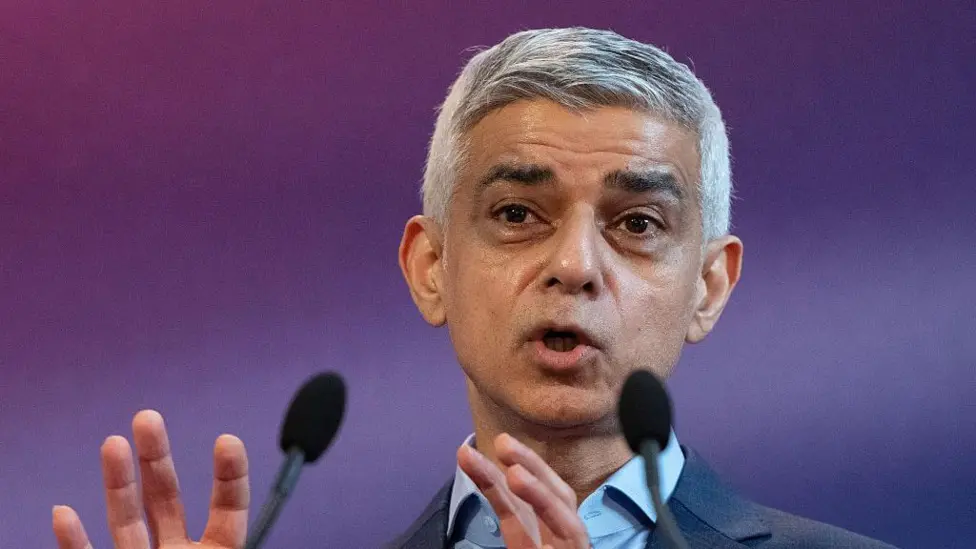
Speaking at the Cambridge Disinformation Summit, Sir Sadiq Khan highlighted research commissioned by the Greater London Authority (GLA), which reveals a significant surge in online content depicting London as a 'fallen city' where crime is rampant and 'basic decency has all but disappeared'. This trend has seen a 150-200% increase in narratives framing London as dangerous between March 2024 and March 2026, despite a fall in the city's per capita homicide rate.
Coordinated Efforts Identified
The GLA analysis pinpointed coordinated efforts by UK-based extreme right-wing groups, accounts linked to Russian and Chinese state interests, and US-related political movements. A Vietnamese-based network, for instance, was found using AI-generated imagery and impersonating local media to disseminate emotive content to over a million followers. Encrypted messaging apps like Telegram were also identified as key origin points for disinformation.
Sir Sadiq asserted that this 'outrage economy' allows individuals and groups to profit from division, creating an industry of disinformation. He warned of the tangible dangers, citing a case where an individual, influenced by online conspiracy theories, used explosives on a ULEZ camera. He stressed that as trust in institutions erodes, online anger can easily escalate into offline violence.
Calls for Greater Accountability
The Mayor has written to major social media platforms, including TikTok, Meta, Google, and X, urging for greater transparency and an end to 'opaque algorithms designed to maximise engagement at any cost'. He called for these companies to grant 'vetted independent researchers' access to their data to better monitor coordinated disinformation campaigns.
TikTok and Meta have stated they remove coordinated inauthentic behaviour, with TikTok noting its collaborative relationship with City Hall. Telegram affirmed it removes calls to violence when identified. Sir Sadiq also called upon the government to adopt a 'much tougher approach', suggesting a new central body to protect democracy and empowering regulators like Ofcom to impose significant penalties on platforms failing to act effectively.