ChatGPT Helps Uncover Rare Condition After Years of Misdiagnosis
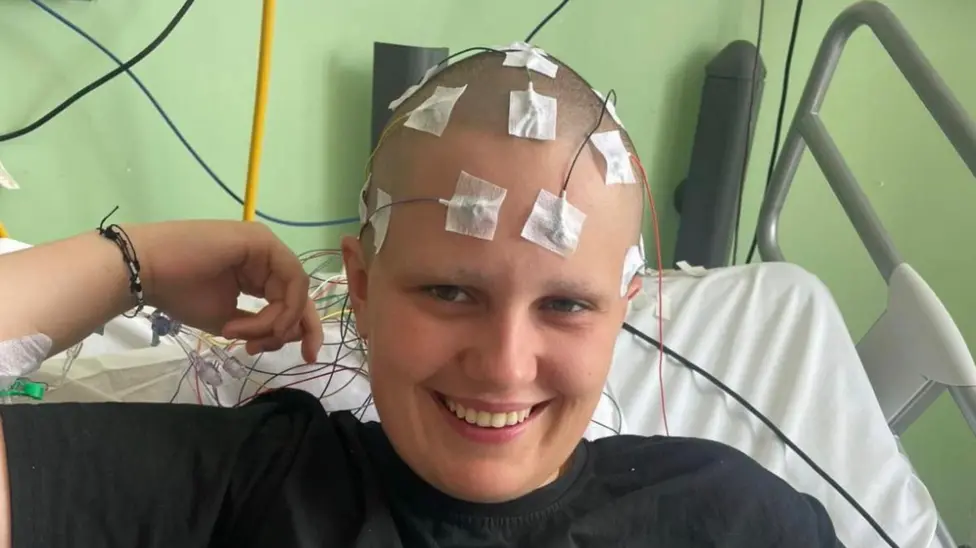
A woman from Cardiff, Phoebe Tesoriere, 23, has credited the AI chatbot ChatGPT with helping to uncover a rare medical condition after experiencing years of misdiagnosis from medical professionals.
Years of Medical Uncertainty
Ms Tesoriere's medical journey was fraught with frustration. She claims she was repeatedly dismissed, diagnosed with anxiety and depression, and even informed she would be treated as a mental health patient if she continued attending A&E. Her symptoms, including a lifelong limp and balance issues, were initially attributed to childhood operations and later, incorrectly, to epilepsy.
Following a severe seizure in July 2025 that led to a three-day coma, and after a doctor reportedly dismissed her epilepsy diagnosis in favour of anxiety, Ms Tesoriere decided to input her comprehensive list of symptoms into ChatGPT. The AI suggested several conditions, including hereditary spastic paraplegia.
AI-Assisted Diagnosis Confirmed
Presenting this information to her GP proved pivotal, leading to genetic testing that subsequently confirmed the AI's suggestion. Hereditary spastic paraplegia is a condition often misdiagnosed, with symptoms manageable through physiotherapy.
Cardiff and Vale University Health Board stated, "We are sorry to hear about Phoebe's experience while in our care," adding that Ms Tesoriere is welcome to contact their concerns team. Dr Rebeccah Tomlinson, a GP in the region, acknowledged the pressures on the NHS and suggested that patients presenting with well-researched information, while requiring professional discussion, can aid clearer communication.
The Broader Implications of AI in Healthcare
Ms Tesoriere's case comes amidst growing discussion surrounding the use of AI in healthcare. While a recent University of Oxford study highlighted that AI chatbots can provide a mix of accurate and inaccurate medical advice, making it challenging for users to discern trustworthy information, millions are increasingly turning to these tools for health-related queries. OpenAI, the developer of ChatGPT, has introduced features aimed at providing "better answers" based on medical records, though it stresses these are for support, not diagnosis or treatment. The debate continues regarding the ethical implications and data privacy concerns associated with AI's expanding role in personal health.
Ms Tesoriere, now using a wheelchair due to her condition, has embarked on a Masters in psychology, driven by a desire to continue helping others.