Chinese Tech Firms Flock to Hong Kong Amidst Geopolitical Scrutiny
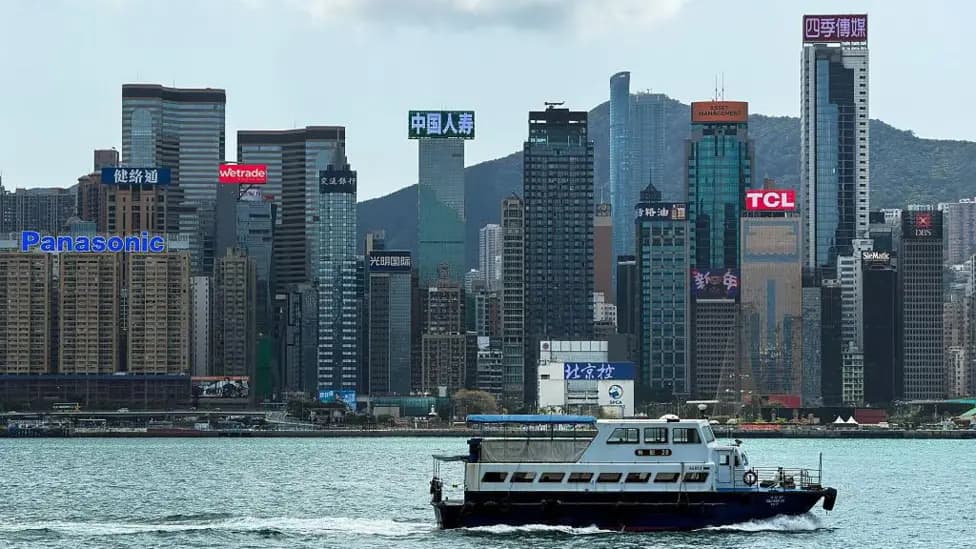
Hong Kong is experiencing a significant influx of mainland Chinese technology companies, positioning itself as an essential bridge for these firms to engage with global markets. This move is largely driven by mounting geopolitical tensions, with Western countries expressing growing apprehension over state-led espionage and the potential for Chinese dominance within critical technology sectors.
Hong Kong: A Gateway for Overseas Expansion
For mainland Chinese tech firms, Hong Kong offers a more accessible pathway to securing international capital, attracting global clients, and establishing a trusted reputation. This strategy is vital as companies face increased scrutiny and barriers in markets such as the US and Europe. Data from PricewaterhouseCoopers reveals a substantial increase in mainland Chinese firms listing on the Hong Kong Stock Exchange, with a 153% rise to 76 listings last year, up from 30 in 2024.
Organisations like Invest Hong Kong have also reported a surge in the number of mainland firms establishing or expanding their operations in the territory, particularly within the innovation and technology sectors. Experts from Eurasia Group and the Mercator Institute for China Studies highlight Hong Kong's role as a vital 'connector' and a 'best hope' for Chinese companies to attract global investors, circumventing the challenges associated with listing in New York due to prevailing geopolitical headwinds.
Navigating 'China Risk' and Global Standards
Companies like Yunji, a developer of service robots, exemplify this trend. Having listed in Hong Kong last October, Yunji aims to prove its products can operate successfully in demanding international environments before broader global expansion. Similarly, AI software firm MiningLamp Technology established its Hong Kong operations to test cross-border data compliance processes, viewing the city as a crucial 'data compliance transfer station'.
Despite Hong Kong's strategic advantages, mainland Chinese firms still confront hurdles in international markets. Western governments maintain stringent national security reviews of Chinese investments and technology, citing concerns over data access and critical infrastructure. The legacy of past scandals, such as the Luckin Coffee debacle, also continues to impact investor confidence regarding governance and transparency.
Furthermore, while Hong Kong offers a degree of mitigation, it is not an impenetrable 'geopolitical shield'. Mainland companies operating there remain subject to evolving regulatory frameworks from Beijing, encompassing cybersecurity, data controls, and AI requirements. The tightening of political freedoms in Hong Kong following the 2019 protests and the implementation of national security laws have also altered its appeal to some international investors and companies, adding another layer of complexity to its role as a global business hub.