Daraxonrasib Pill Doubles Survival to 13.2 Months for Pancreatic Cancer Patients
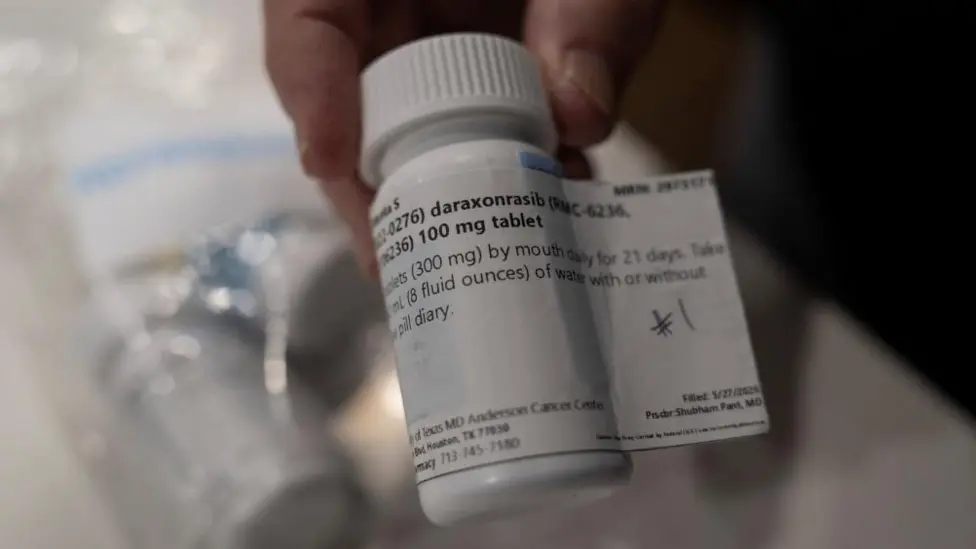
A recent clinical trial has revealed that a daily pill, daraxonrasib, can almost double the survival time for individuals suffering from advanced pancreatic cancer. This development offers a significant shift in managing a disease known for its high mortality rate, often detected at late stages when treatment options are limited.
The drug functions by targeting and deactivating the mutated KRAS gene, a primary driver of cancer growth in the vast majority of pancreatic tumours. The trial, encompassing 500 patients across North America, Europe, and Asia, recorded an average survival of 13.2 months for those administered daraxonrasib, contrasting with 6.6 months for patients receiving traditional chemotherapy. Furthermore, daraxonrasib was associated with fewer severe side-effects, with 43.6% of patients experiencing them compared to 57.5% on chemotherapy.
In Britain, approximately 11,500 people are diagnosed with pancreatic cancer annually, leading to around 10,200 deaths. Symptoms, which can include jaundice, unexplained weight loss, and fatigue, frequently manifest late in the disease progression, making early diagnosis particularly challenging. This new treatment represents one of the most promising advancements in pancreatic cancer therapy in recent memory.