Greenock Council Seeks Migrant Influx to Counter Decades of Population Decline
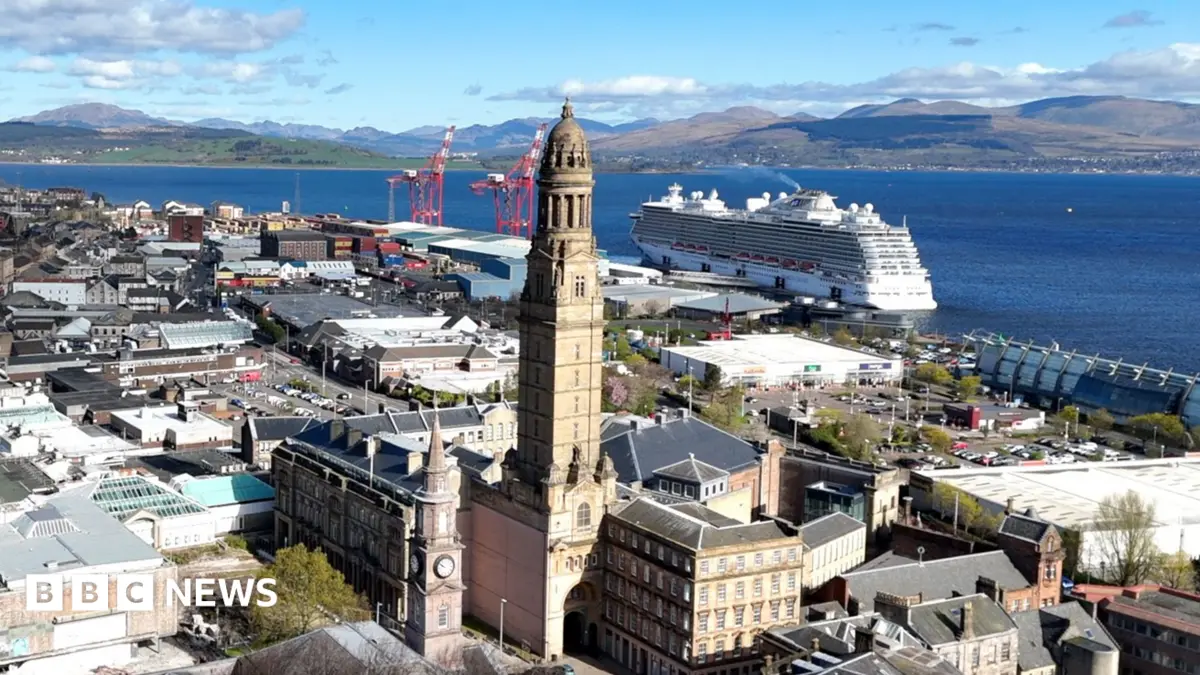
Greenock, a town in Inverclyde, Scotland, is actively pursuing a policy to encourage migrant settlement as a direct response to its long-term population decrease. Inverclyde Council's strategic shift aims to revitalise the local economy and address a shrinking workforce that has impacted public services and industries.
Official statistics highlight the severity of the demographic challenge. Since 1971, Inverclyde's population has fallen by approximately 30,000 residents, representing a decline of over 25%. This downward trend has resulted in an increasingly aged population and significant difficulties in filling employment vacancies across various sectors, from healthcare to manufacturing.
Councillor Stephen McCabe, the leader of Inverclyde Council, articulated the necessity of the policy, stating that attracting new residents, particularly those of working age, is crucial for the town's sustainability. The council's plan involves close collaboration with local organisations and businesses to ensure integration and support for new arrivals.
This initiative stands in stark contrast to the prevailing anti-immigrant rhetoric often amplified by the UK government, which has frequently framed immigration as a burden. Greenock's approach, however, prioritises the economic and social benefits of migration, viewing it as a vital tool for demographic regeneration rather than a humanitarian concern or a threat to national cohesion. This local-level action underscores how some communities are attempting to mitigate the effects of decades of deindustrialisation and underinvestment, often neglected by central government policies focused elsewhere.