Hungary Alleges Pipeline Plot Ahead of Election
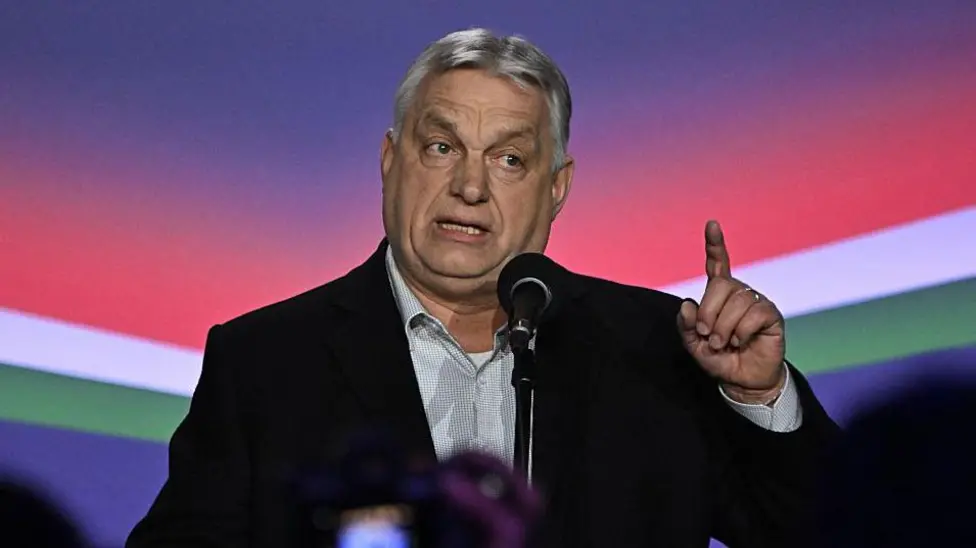
Prime Minister Viktor Orbán of Hungary has called an emergency session of the National Defence Council after Serbian authorities located explosives near a section of the TurkStream pipeline. This pipeline is vital for transporting Russian gas to Hungary, which, alongside Slovakia, relies heavily on these imports.
The discovery, made by the Serbian army near Tresnjevac, approximately 20km from the Hungarian border, included two rucksacks filled with explosives and detonators. Serbian President Alexander Vučić informed Orbán of the find, describing the explosive as being of 'devastating power'.
This incident unfolds just a week before Hungary's general election, where Orbán's Fidesz party is reportedly trailing in opinion polls. Opposition leader Péter Magyar has accused Orbán of orchestrating 'panic-mongering' with alleged 'Russian advisers', while security experts have raised concerns about a possible 'false flag' operation. Such an operation, they suggest, could be designed to generate sympathy for Orbán's party, potentially influencing the election outcome or providing a pretext for postponing the vote.
Orbán, a staunch ally of Russian President Vladimir Putin, has consistently resisted EU pressure to reduce Russian energy imports since the full-scale invasion of Ukraine. His election campaign has frequently emphasised the importance of cheap Russian fuel for Hungarian households, arguing against what he terms a 'Kyiv-Brussels-Berlin' conspiracy to impose an alternative government and involve Hungary in a European conflict against Russia.
Hungarian Foreign Minister Péter Szijjártó has reiterated the government's stance that the threat is genuine, citing previous alleged attempts to disrupt energy supplies. However, no official allegations of Ukrainian involvement in the pipeline incident have been made to date. Former Hungarian counter-intelligence officer, Peter Buda, suggests the incident serves Orbán's pre-election interests rather than reflecting Ukrainian concerns, while opposition leader Magyar asserts that the alleged plot will not prevent the upcoming election and a potential end to 'the most corrupt two decades in our country's history'.