John Swinney Rejects Holyrood Inquiry into Peter Murrell's Embezzlement
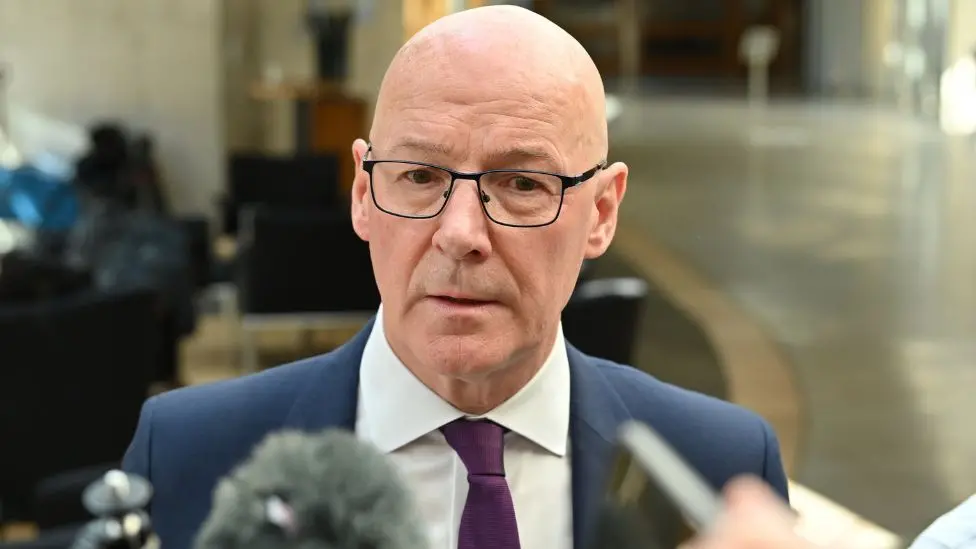
First Minister John Swinney has rejected demands for a Holyrood inquiry into the conduct of former Scottish National Party (SNP) chief executive Peter Murrell. Murrell, the estranged husband of former First Minister Nicola Sturgeon, admitted this week to embezzling more than £400,000 from the party over a 12-year period.
Swinney Dismisses Parliamentary Probe
Scottish Labour leader Anas Sarwar urged Swinney to support a parliamentary probe during the inaugural First Minister's Questions following the recent election. Sarwar argued an inquiry was essential to address the SNP's alleged "culture of cover-up and secrecy," suggesting Swinney had a role in fostering this environment.
Swinney, however, maintained that a parliamentary inquiry would add nothing to the comprehensive five-year "forensic" police investigation that culminated in Murrell's guilty plea. He accused Sarwar of "victim blaming" and reiterated his condemnation of Murrell's actions, stating he was "appalled" by the former chief executive's conduct.
Embezzlement Details Emerge
Murrell, who served as SNP chief executive from 2001 to 2023, is awaiting sentencing next month after confessing to using party funds for personal purchases, including a motorhome, cars, jewellery, and luxury goods, some of which were gifted to Sturgeon.
Nicola Sturgeon, arrested and later released without charge in June 2023, was subsequently informed she was no longer under investigation. Through her lawyers, Sturgeon stated she had "no knowledge or suspicion whatsoever" that personal items were purchased using SNP funds and believed Murrell used his own money for any purchases she was aware of.
Opposition Calls for Transparency
Scottish Conservative leader Russell Findlay criticised Swinney and Sturgeon, alleging their actions "enabled" Murrell. Findlay called for the Crown Office and Procurator Fiscal Service to publish the rationale behind its prosecution decisions in the case, particularly given reports suggesting potential embezzlement of taxpayer funds from the Electoral Commission.
Swinney countered, stating that the "highest standards" were applied to the criminal investigation and that the Crown Office does not disclose its decision-making rationale. He also denied any public funds were misused, explaining that Electoral Commission grants required an "audited report" of their intended use.