Lebanon Demands Ceasefire Before Direct Talks with Israel
A senior official within the Lebanese President's office has informed the BBC that Lebanon's participation in direct negotiations with Israel, slated for next week, is strictly contingent upon a prior ceasefire. This declaration follows an announcement by Israeli Prime Minister Benjamin Netanyahu, who authorised direct discussions, citing "repeated requests from the Lebanese government".
Ongoing Hostilities and Diplomatic Rift
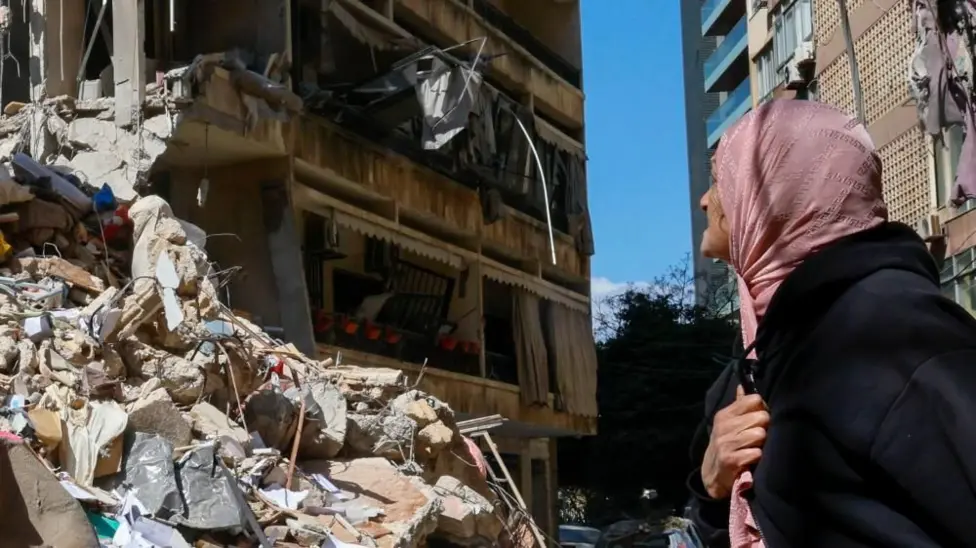
The development comes as a US State Department official confirmed Washington would host a meeting next week "to discuss ongoing ceasefire negotiations" between the two nations. However, the region remains gripped by intense conflict, with Lebanese authorities reporting 21 fatalities from recent Israeli air strikes, including seven members of a single family in Abbassieh and eleven in Zrarieh. Hezbollah, in response, has launched further rockets into Israel, with one intercepted near the southern coastal city of Ashdod – the furthest target in the current hostilities.
A significant point of contention revolves around whether Lebanon was included in the US-Iran ceasefire agreement, declared by US President Donald Trump on Tuesday. Pakistan and Iran, who mediated the truce, affirm its inclusion, while the US and Israel vehemently deny it. Iran's Deputy Foreign Minister Saeed Khatibzadeh described Israeli strikes on Lebanon as a "grave violation" of the ceasefire, a sentiment contradicted by US Vice-President JD Vance, who stated: "I think the Iranians thought that the ceasefire included Lebanon, and it just didn't." Mr Netanyahu, addressing residents of northern Israel, unequivocally declared: "there is no ceasefire in Lebanon."
Humanitarian Crisis Deepens
Direct talks between Lebanon and Israel would mark a significant and highly unusual diplomatic shift, given their historical reliance on intermediaries. Meanwhile, the humanitarian situation in Lebanon continues to deteriorate, with rescue teams still recovering bodies after the heaviest Israeli air strikes since the latest conflict began. The Lebanese health ministry reports 357 deaths and over 1,223 injuries since a concentrated 10-minute Israeli blitz on Wednesday. UN aid agencies are warning of a deepening crisis, with over a million people displaced and soaring food costs exacerbating a food security crisis, making aid delivery increasingly challenging.