US-Iran Talks in Islamabad Face Hurdles Amid Israeli Interference Claims
Critical US-Iran Discussions Underway in Islamabad
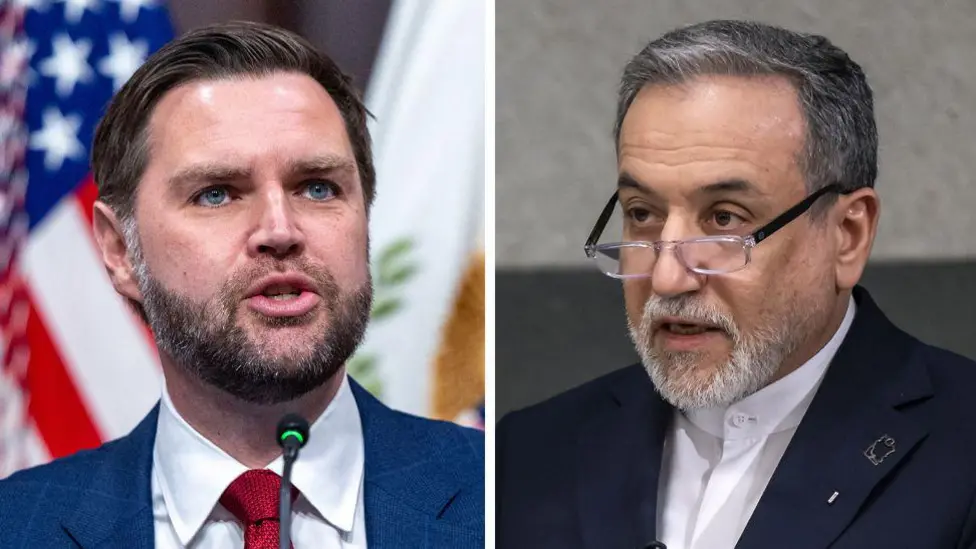
Islamabad is currently hosting significant diplomatic efforts between the United States and Iran. Despite initial optimism from Pakistani mediators and US Vice President JD Vance regarding good-faith negotiations, progress is being severely tested. Concerns are mounting over potential Israeli actions designed to derail any meaningful resolution.
Escalating Regional Tensions and Maritime Control
A primary flashpoint remains Israel's ongoing military campaign against Hezbollah in Lebanon. Iranian President Masoud Pezeshkian has unequivocally stated that continued Israeli aggression would render negotiations futile, reaffirming Iran's commitment to its allies. While Israeli Prime Minister Benjamin Netanyahu maintains there is "no ceasefire" concerning Hezbollah, US intervention has facilitated direct talks between Israel and Lebanon, slated for Washington next week.
The Strait of Hormuz presents another considerable challenge. Iran's perceived tightening of control over this vital shipping lane, including new transit protocols and alleged 'tolls', has drawn strong condemnation. Numerous vessels and their crews remain stranded as Iran asserts its control over what it considers its sovereign waters.
Nuclear Ambitions and Sanctions Demands
The core of the dispute continues to be Iran's nuclear programme. While Iran maintains its right to enrich uranium for peaceful purposes under the Nuclear Non-Proliferation Treaty, Western nations harbour profound scepticism. The US, via Secretary of Defence Pete Hegseth, insists Iran must "never have a nuclear weapon or the capability to get a path to one."
Furthermore, Iran's network of regional allies, often referred to as the "Axis of Resistance," remains a point of considerable friction, viewed by Israel as an existential threat. Economically, Iran is demanding the complete lifting of all US and international sanctions, alongside the release of an estimated £100 billion (approximately $120 billion) in frozen assets. This significant concession, presented as a precondition for progress, is widely considered unlikely at this preliminary stage of discussions.