New Police Unit to Tackle Rising Threats Against MPs
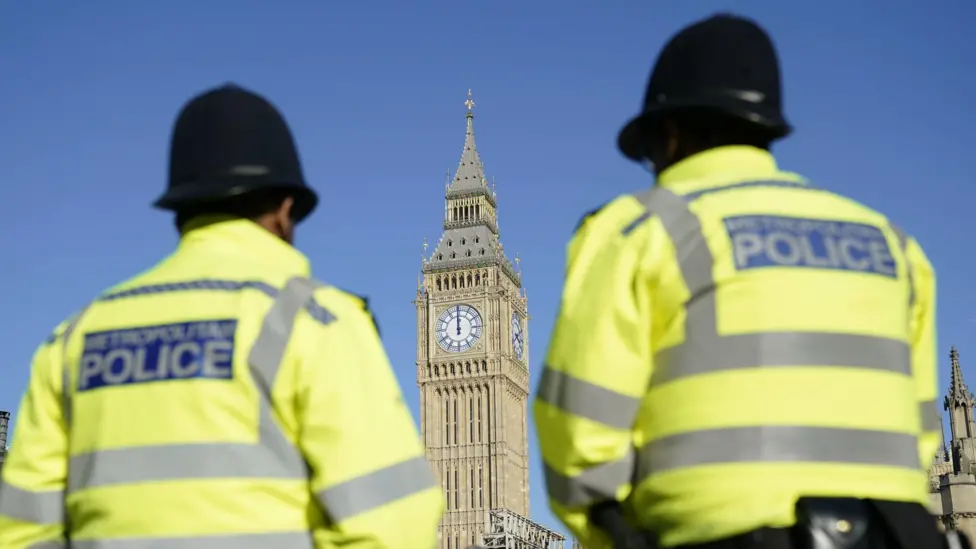
Police forces across the UK are now being offered dedicated support from a newly formed national democracy protection unit, aiming to address the escalating threats and abuse targeting Members of Parliament.
Spike in Anti-Democratic Crimes
Police chief Chris Balmer has been appointed to spearhead this initiative, focusing on assisting forces in the investigation and prosecution of "anti-democratic crimes." Data reveals a significant increase in reported offences against MPs, with figures more than doubling since 2019, reaching nearly 1,000 last year. This surge is predominantly attributed to allegations of harassment, criminal damage, and threats to kill.
Security Minister Dan Jarvis recently underscored the unprecedented "volume, breadth and tempo of threats against elected representatives." Mr Balmer's role will involve coordinating intelligence on threats, advising forces on categorisation, and offering specialist support to officers.
Increased Threats and Parliamentary Security
Between 2019 and 2025, a total of 4,064 crimes against MPs were reported to the Metropolitan Police's Parliamentary Liaison Team. The number of alleged offences has consistently risen year-on-year, with 976 recorded in 2025, compared to 364 in 2019. Malicious communications constituted the most frequent type of offence, totalling 2,066 over the six-year period. Death threats also saw a rise, with 50 reported in 2025, up from 31 the previous year.
Following the tragic murders of Jo Cox in 2016 and Sir David Amess in 2021, security measures for MPs have been enhanced under Operation Bridger, a national police programme providing additional security for homes and constituency offices. While costs have fluctuated, they remain significantly higher than pre-2016 levels.
Despite these measures, MPs are urging further action. Labour MP Kim Leadbeater, sister of Jo Cox, expressed concern that nearly a decade after her sister's murder, the situation is "probably in a worse place." She highlighted that this is not only a political problem but also reflects a broader societal issue regarding mutual understanding.
Mr Balmer acknowledged the concerning trend, noting a clear spread of both online and offline targeting. He specifically highlighted that female candidates and candidates from ethnic minorities are disproportionately targeted, expressing particular worry about the volume of abuse directed at these groups. He emphasised that these are not "idle threats," referencing the tragic incidents where threats have culminated in violence.