NHS Coping Well with Doctors' Strike, Says Health Chief
The National Health Service (NHS) in England is currently navigating a challenging period, with its head, Sir Jim Mackey, confirming that the health service is coping effectively with the ongoing six-day strike by resident doctors. In a communication to health managers, Sir Jim, the chief executive of NHS England, stated that after the first day of the strike, which commenced on Tuesday, the NHS was in "as good a place as we could hope".
Impact and Mitigation
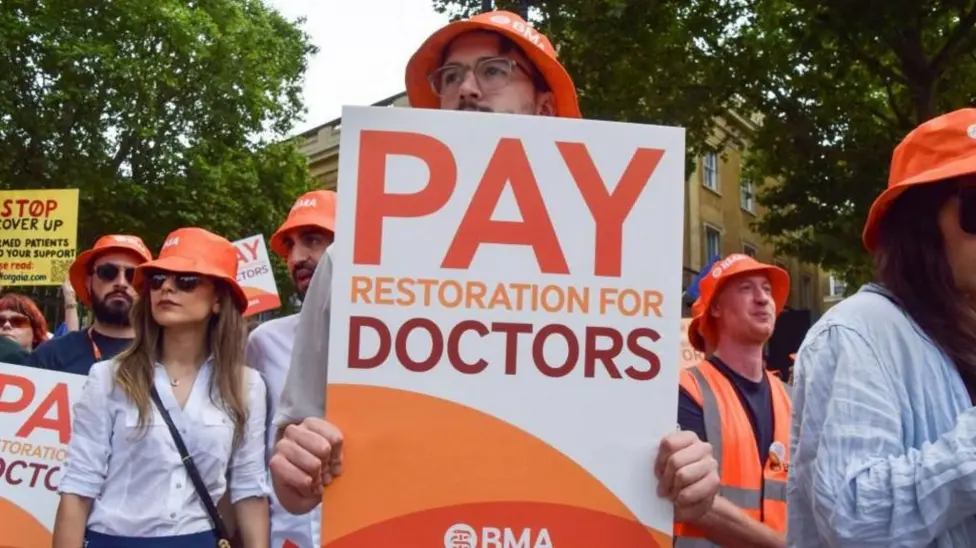
This industrial action marks the 15th walkout by resident doctors in a protracted dispute over pay. These doctors constitute nearly half of the medical workforce. To mitigate the impact, senior medical staff have been deployed to cover emergency and urgent care services. Consequently, while the majority of pre-planned operations and treatments are proceeding, some have inevitably faced cancellation.
Sir Jim acknowledged the significant strain on staffing, noting the walkout's timing was "deliberately timed to cause havoc" following the Easter weekend. He expressed appreciation for hospitals' efforts in managing and filling rotas under such disruptive circumstances.
The Pay Dispute and Public Opinion
The British Medical Association (BMA) has labelled the strike "regrettable", yet places responsibility on the government for not presenting a credible pay offer. Despite receiving pay increases amounting to 33% over the past four years, the BMA contends that doctors' pay has effectively decreased by a fifth since 2008 when adjusted for inflation.
Dr Jack Fletcher, a BMA resident doctor leader, expressed regret for the disruption caused but asserted the strikes were "entirely avoidable". Conversely, Health Secretary Wes Streeting described the government's offer as "generous" and highlighted public fatigue with the ongoing disputes. Recent YouGov polling indicates a majority of the public opposes the doctors' walkouts. Conservative party leader Kemi Badenoch has gone further, suggesting a ban on doctors' strikes, aligning them with prohibitions already in place for the police and armed forces, accusing the Labour party of prioritising unions over patients.