Over 2,000 Kenyan Primary Schools Face Closure as Rural Enrolment Plummets
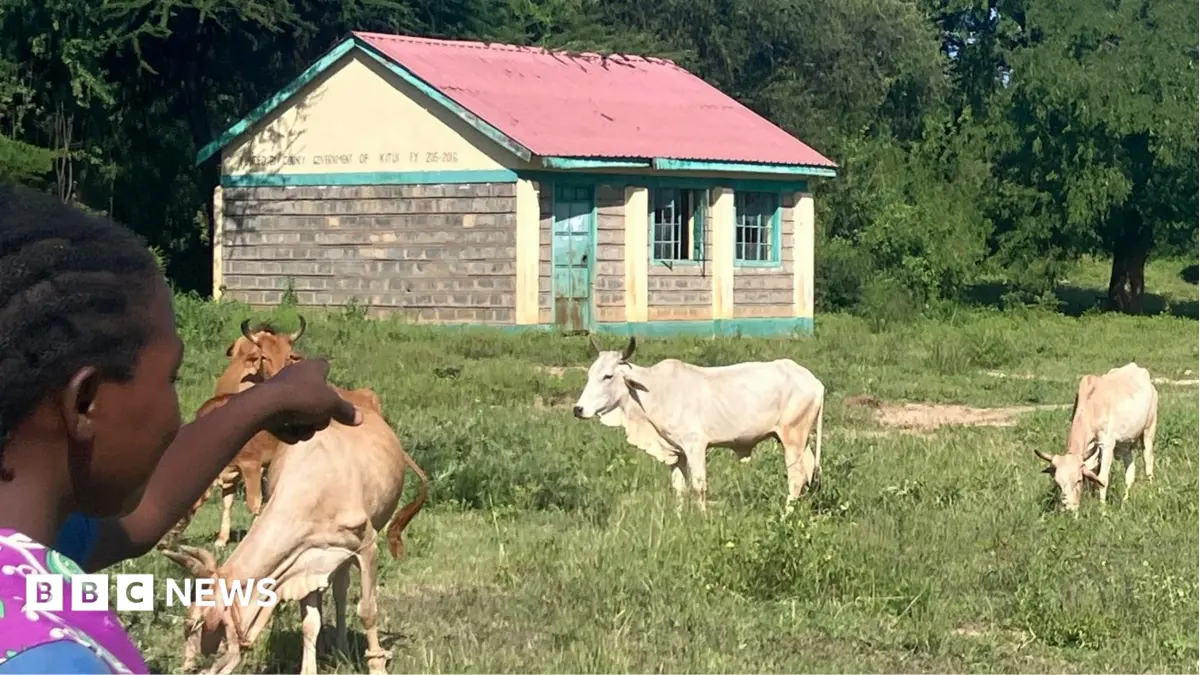
Kenya's Ministry of Education has identified over 2,000 primary schools, largely situated in remote and arid regions, for potential closure owing to critically low enrolment figures. Official statistics indicate a stark reality where certain institutions register fewer pupils than the number of cattle or goats in their immediate vicinity, raising questions about the efficacy of existing educational infrastructure.
This precipitous drop in pupil numbers is attributed to a confluence of factors, including prolonged drought leading to population displacement, internal migration towards urban centres, and a shift in educational priorities within nomadic communities. The government's policy dictates that schools with consistently low attendance, particularly those falling below a viable threshold for teacher allocation and resource distribution, will be consolidated or shuttered. Critics argue this approach disproportionately affects marginalised communities and could exacerbate educational disparities, forcing children to travel extensive distances to access schooling.
While official statements from Nairobi emphasise the need for efficient resource deployment, the closures highlight systemic challenges in providing equitable education across the nation. The impact on rural livelihoods and cultural practices, particularly among pastoralist groups, remains a significant concern for human rights organisations.