Reform UK Vows to Retain Triple Lock on Pensions, Citing Welfare Cuts
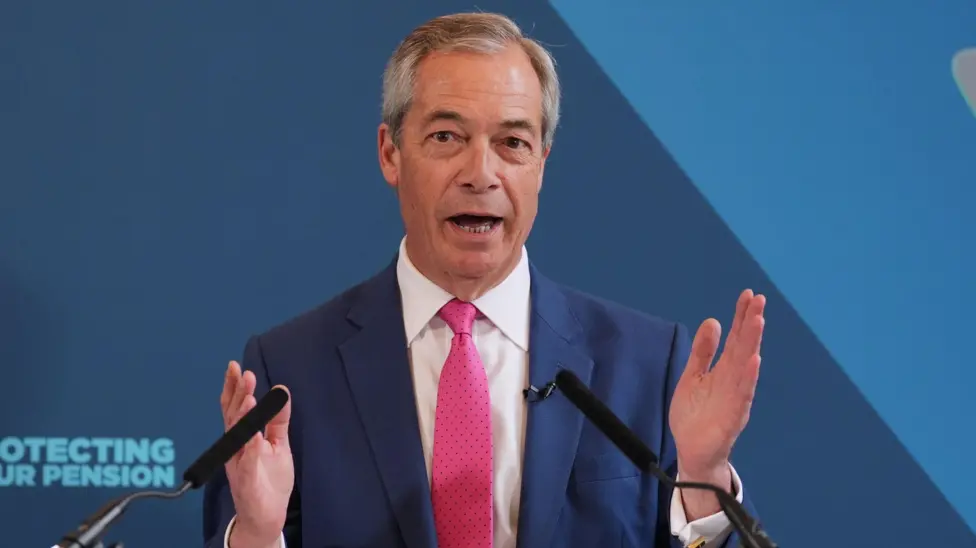
Reform UK has announced its commitment to retaining the state pension triple lock, a policy that guarantees annual pension increases in line with inflation, wage growth, or 2.5%, whichever is highest. This decision, confirmed by party leader Nigel Farage and Treasury spokesman Robert Jenrick, comes despite previous internal debates about the policy's increasing strain on public finances, estimated to reach £15.5bn by 2030.
Welfare Cuts to Fund Pensions
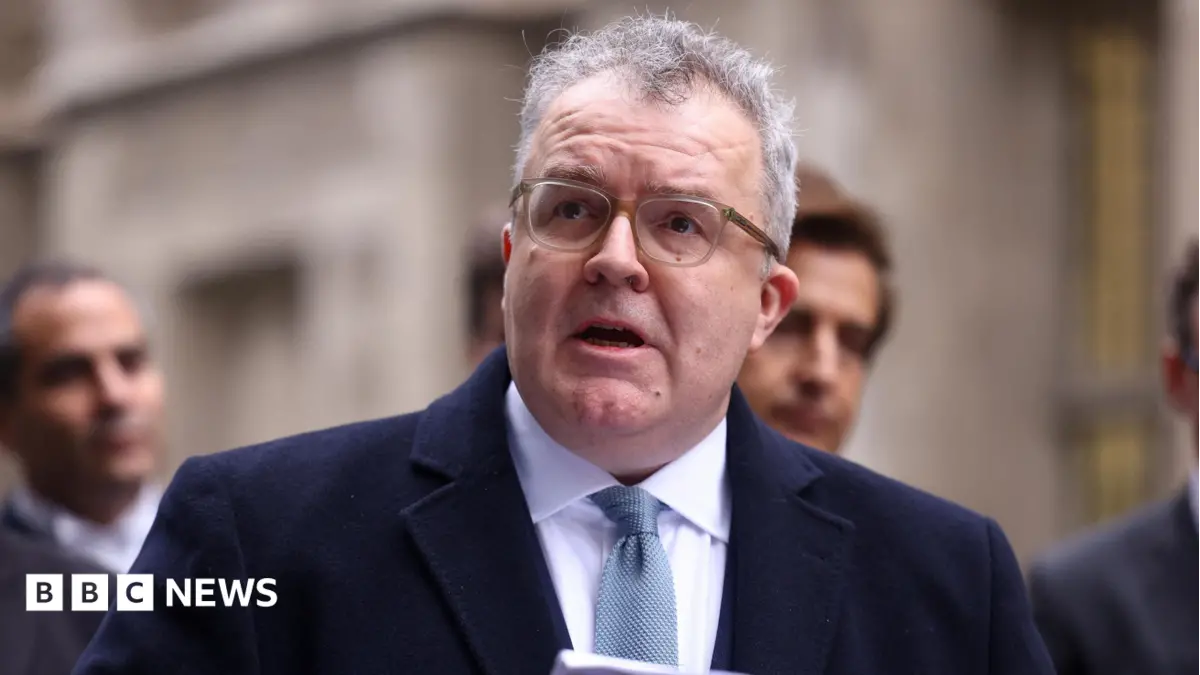
To finance the costly triple lock, Reform UK intends to implement significant reductions in welfare spending. Farage indicated that the party would soon unveil details of what he described as the “biggest cuts to the benefits bill ever seen in the history of this country.” Jenrick, who recently defected from the Conservatives, stated that the party has already identified £40bn in potential savings and plans to target welfare payments, particularly those for individuals who have “recently arrived here or have come here illegally.”
The triple lock, introduced by David Cameron's coalition government in 2010, remains popular with older voters but faces criticism for potentially burdening younger generations. Both the Conservative and Labour parties are also committed to retaining the triple lock, while the Green Party has proposed a shift to a ‘double lock’.
Scepticism from Think Tanks
Think tanks have expressed strong reservations about Reform UK's pledge. Dr. Kristian Niemietz, editorial director of the IEA, labelled the commitment “hugely disappointing” and an “electoral bribe with a compound interest rate.” Similarly, the Centre for Policy Studies voiced scepticism, highlighting that current spending trajectories for pensions, the NHS, and welfare are unsustainable, with no major party willing to address the true cost to the nation.