Scottish Conservatives Unveil Tax-Cutting Manifesto
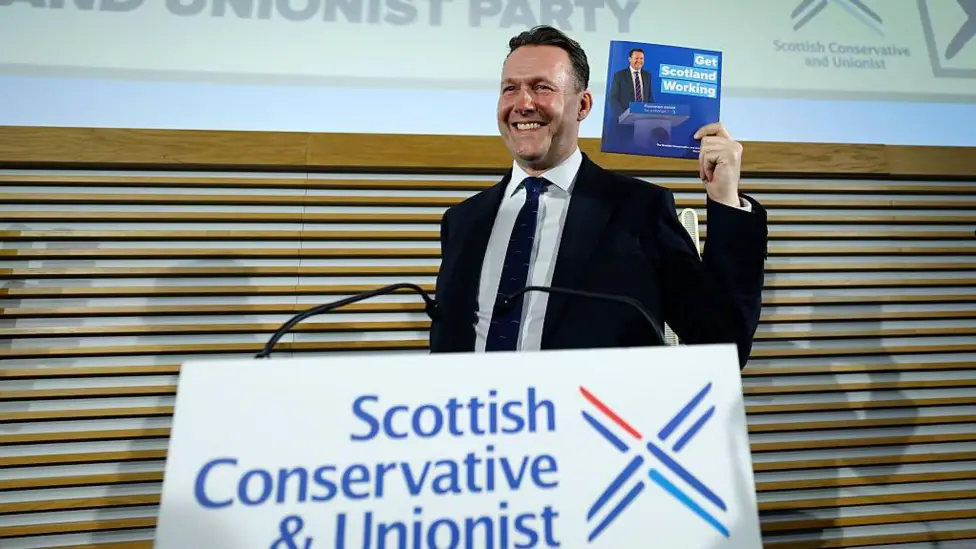
The Scottish Conservatives have unveiled their comprehensive general election manifesto, with a central pledge to significantly reduce income tax across the board. Party leader Russell Findlay, speaking at the launch event in Edinburgh, emphasised a plan described as “comprehensive, costed and credible,” designed to alleviate the cost of living and stimulate the economy.
Key Tax Proposals
Central to the Conservatives' fiscal strategy is the commitment to raise the income tax threshold, mitigating the UK-wide freeze on the personal allowance. By creating a new 0% tax band, the party aims to lift the point at which Scots begin paying income tax to £13,892 by 2031, saving those above this threshold approximately £250 annually. Furthermore, the manifesto proposes cutting the basic income tax rate to 19% up to the higher rate threshold and aligning the higher rate threshold with the UK system at £50,270, providing significant savings for higher earners. Pensioners would also benefit from a scheme allowing them to reclaim the first £500 paid in tax on their pension income.
Broader Priorities and Opposition to Independence
Beyond tax cuts, Mr Findlay highlighted five key priorities: reducing tax bills, elevating school standards, ensuring faster GP appointments, improving road infrastructure, and increasing police numbers. The manifesto also includes proposals to send prisoners abroad and to introduce a two-child cap on the Scottish Child Payment.
Mr Findlay strongly criticised the current Scottish Government, stating, “We need to get Scotland working after almost two dismal decades of SNP incompetence, failure and scandal.” He reiterated the party’s unwavering commitment to Scotland’s place within the Union, warning against the “constitutional chaos” of a second independence referendum, particularly in light of recent comments by SNP leader John Swinney regarding a potential vote by 2028. The Conservatives pledge to staunchly defend the Union, challenging what Mr Findlay described as a “weak and wobbly” approach to the independence question from other political figures.