Shipping Disruptions Persist in Strait of Hormuz Despite Ceasefire
Despite a two-week US-Iran ceasefire agreement intended to ensure 'safe passage' through the Strait of Hormuz, the critical waterway remains largely obstructed. Vessels attempting to navigate the strait have reportedly received threats of being 'targeted and destroyed' if they proceed without authorisation.
Limited Passage Since Ceasefire
As of 17:00 BST on 10 April, only 19 ships have been tracked traversing the strait since the ceasefire commenced. This figure, based on BBC Verify analysis of MarineTraffic data, starkly contrasts with the pre-conflict average of 138 daily passages. Of these recent crossings, just four were tankers carrying oil, gas, or chemicals, with the remainder being various bulk carriers or container ships.
This significant disruption, now in its fifth week, continues to destabilise energy markets and highlight the global economy's profound reliance on this crucial channel connecting the Gulf with the Indian Ocean.
Lingering Uncertainty for Ship Owners
Shipping analysts indicate that vessel owners are likely to remain cautious until clearer guidance emerges. Lars Jensen from Vespucci Maritime noted, "Most shipping lines would want to get details and reassurances on what it actually takes to transit and those details are not available." Richard Meade, editor-in-chief of Lloyd's List, described the period as "very dangerous," emphasising the ongoing uncertainty regarding permission from the Islamic Revolutionary Guard Corps (IRGC).
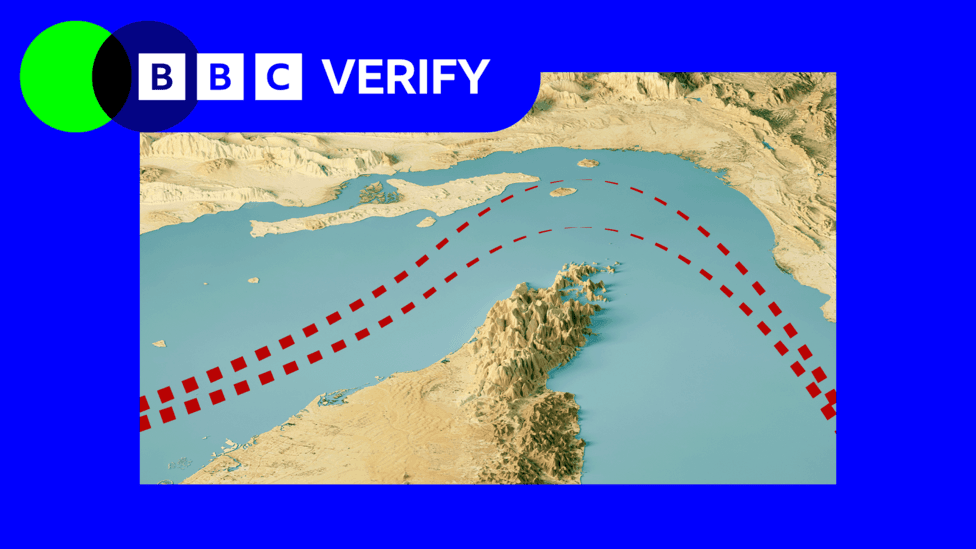
Analysis by BBC Verify shows that the few ships that have transited are utilising a northern route, close to Iran's coastline, rather than the customary southerly path. Priority, should crossings increase, is expected to be given to the nearly 800 laden tankers currently stranded.
Challenges and Concerns
The temporary nature of the ceasefire, sea mine risks, and the potential imposition of tolls by Iran further complicate matters. Niels Rasmussen, a shipping analyst from BIMCO, expressed doubts about a "large influx of ships" due to fears of being trapped once the two-week window closes. Thomas Kazakos, secretary general of the International Chamber of Shipping, stressed the need for "clear confirmation that the safety of navigation for the ships and the seafarers are being agreed."