Singapore Confronts Energy Crisis, Urges Air-Con Moderation Amidst Rising Costs
Singapore Addresses Soaring Energy Costs
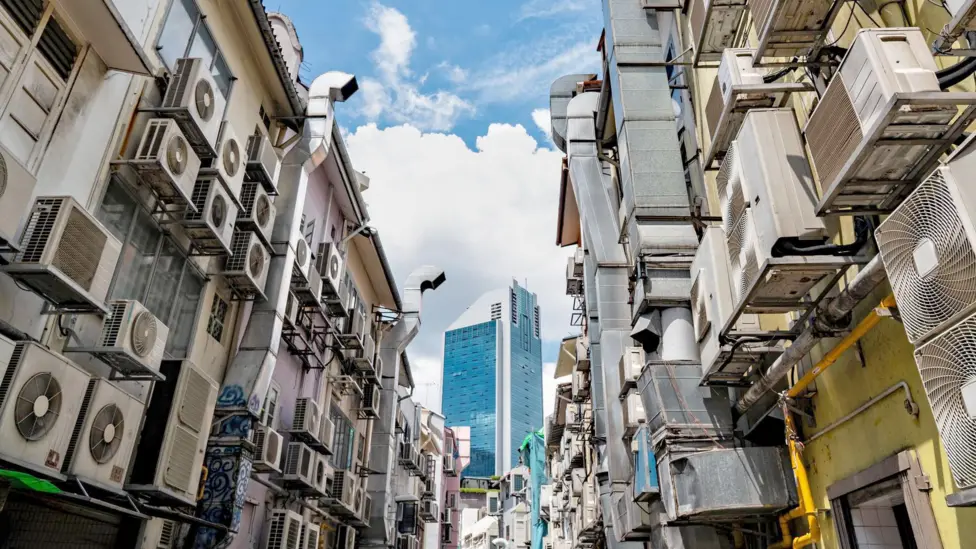
The city-state of Singapore, renowned for its pervasive use of air conditioning, is taking decisive steps to mitigate the impact of rising energy prices. Citing global fuel supply chain disruptions, primarily exacerbated by the Iran war, the government has instructed public sector employees to maintain office temperatures at no lower than 25°C (77°F). This directive is part of a broader initiative to conserve energy, which also includes the installation of power-efficient technologies such as LED lighting and smart sensors in public offices.
A Cultural Shift in Cooling Habits
Singapore's reliance on air conditioning has deep historical roots, famously championed by its founding father, Lee Kuan Yew, who credited it with transforming productivity in tropical regions. Today, it is commonplace for offices to be heavily air-conditioned, often leading employees to wear extra layers. This new government mandate represents a significant cultural shift, with the Ministry of Sustainability and the Environment highlighting that "each degree raised reduces energy needs by around 10%".
Beyond government offices, businesses and the wider public are also being encouraged to adopt similar energy-saving practices, including utilising fans and opting for public transport to reduce fuel consumption. While Singapore has yet to resort to drawing from its fuel reserves or introducing rationing, the authorities have issued warnings about potential further economic disruptions.
Regional Response to Energy Challenges
Singapore is not alone in its efforts. Other Southeast Asian nations, heavily dependent on oil and gas shipments via the Strait of Hormuz, are also implementing urgent energy-saving measures. Thailand has requested air conditioning be set at 26-27°C, while the Philippines, highly reliant on Middle Eastern oil, has shortened the work week for government offices and declared a national energy emergency. South Korea has also launched a public energy-saving campaign. Experts suggest that the economic fallout from the Iran war is posing a significant "Asian crisis," particularly affecting developing countries, underscoring the critical need for diversified energy sources and improved efficiency across the continent.