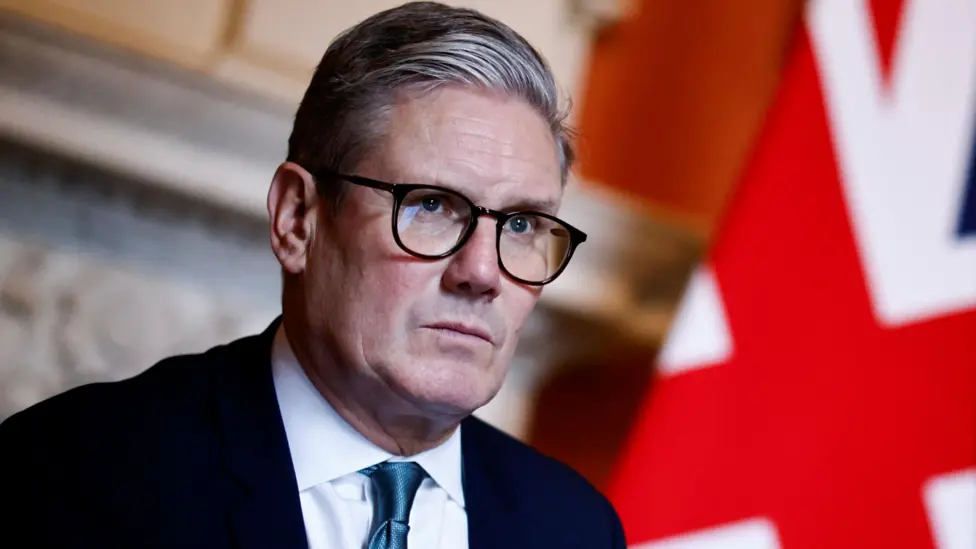
Sir Keir Starmer Resigns After Two Years: Labour Faces Leadership Contest
Sir Keir Starmer has resigned as Prime Minister, concluding a tenure of less than two years marked by a dramatic decline in his public standing. His resignation follows significant electoral setbacks for the Labour party in May, which saw the party lose power in Wales, achieve its worst-ever result in the Scottish Parliament, and forfeit nearly 1,500 councillors in England.
In an emotional address from Downing Street, Sir Keir stated that his parliamentary party had questioned his suitability to lead them into the next general election, an assessment he accepted. Despite securing a substantial parliamentary majority in the 2024 general election – placing him in a rare company with Tony Blair and Clement Attlee – this victory was achieved on an historically low share of the national vote. His popularity rapidly eroded within weeks of entering Downing Street, never fully recovering.
Policy Reversals and Public Discontent
Sir Keir's premiership was characterised by a series of policy reversals and perceived missteps. A critical moment identified by pollsters was the government's decision in July 2024 to axe winter fuel payments for 10 million pensioners, a move that precipitated a sharp decline in his personal ratings. Although this policy was later reversed, it contributed to a public perception of inconsistency.
Critics within his own party and among the electorate often cited a lack of clear ideology and poor communication skills. Labelled 'Mr Rules' by his Culture Secretary, Lisa Nandy, his methodical approach struggled to connect with voters seeking authenticity and a clearer vision.
Scandals and Succession
Domestic challenges included a row over more than £6,000 worth of gifts and hospitality accepted by Sir Keir, leading to the resignation of his chief of staff, Sue Gray. More recently, the government was rocked by the sacking of Lord Mandelson as US ambassador due to links with convicted sex offender Jeffrey Epstein, and the resignation of Deputy Prime Minister Angela Rayner over tax matters. The Mandelson affair, particularly the revelation that security clearance was granted despite vetting concerns, led to accusations that Sir Keir misled Parliament, further eroding his authority.
The return of Andy Burnham to Westminster, following his victory in the Makerfield by-election, is widely seen as the catalyst for Sir Keir’s final departure. Burnham’s success against Reform UK in a previously contested area cemented the view among many Labour MPs that he offered a stronger path forward. Sir Keir's resignation now opens the floor for a leadership contest within the Labour party.