Tankers Advised Against Paying Iranian Toll for Hormuz Passage Amidst Stalemate
Strait of Hormuz: Toll Dispute and Safety Concerns
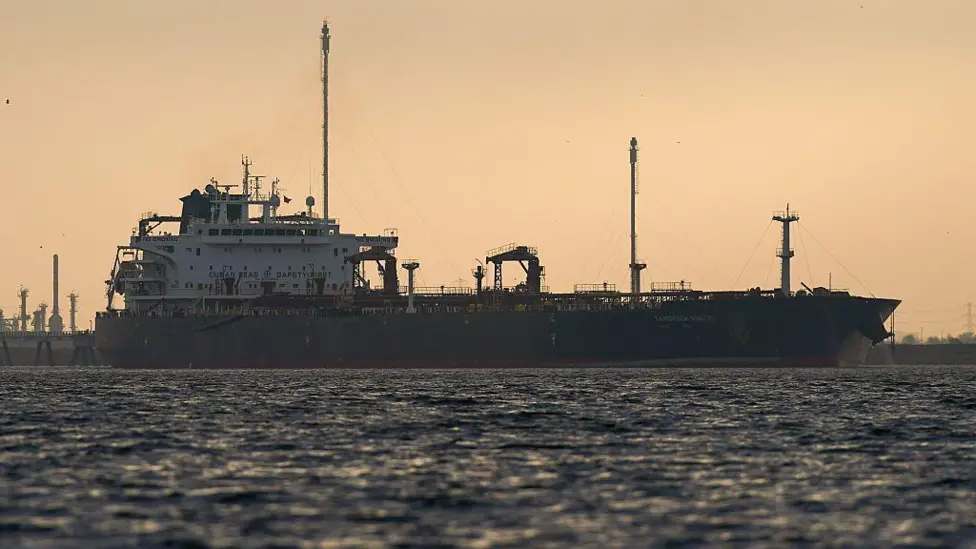
Tanker operators are receiving firm advice not to remit any payments to Iran for transit through the Strait of Hormuz. This counsel comes after a recent ceasefire agreement, intended to reopen the waterway, failed to restore normal shipping traffic. Iran has reportedly suggested ships must seek its permission, warning they could be "targeted and destroyed" otherwise, and has hinted at levying a fee for safe passage.
Phil Belcher of Intertanko, a representative body for tanker firms, expressed strong opposition: "We do not believe the payment of tolls is the right way to go about this." He further stated, "We are amazed that this appears to be one of the starting points of negotiations." Intertanko, representing a significant portion of the global oil tanker fleet, continues to advise members against using the strait due to ongoing safety risks.
International Law and Economic Impact
The imposition of a toll is seen as directly contravening international laws concerning free passage through international waterways. Belcher highlighted that the Strait of Hormuz is currently under the "de facto rule of the Iranian military." Concerns are amplified by the fact that the Iranian Revolutionary Guard Corps (IRGC), which oversees significant economic activity, is designated as a terrorist organisation by the US and EU. "The payment of monies to a terrorist organisation should be avoided," Belcher added.
Arsenio Dominguez, Secretary General of the International Maritime Organisation, reiterated that international straits are for universal use, and no toll restrictions should be imposed. The ongoing disruption has severely impacted global shipping, reducing tanker traffic to a mere trickle and stranding nearly 800 vessels in the Gulf. This prolonged blockage is expected to have significant global repercussions on the prices of fuel, electricity, food, and medicines. Swedish tanker firm Stena Bulk confirmed they would not use the disputed strait until safety guarantees are 100% certain and would not pay any unauthorised tolls, drawing parallels to charging fees for transit through the English Channel.