US Tech Stocks Fall Sharply; Donald Trump Proposes Government Take AI Company Equity
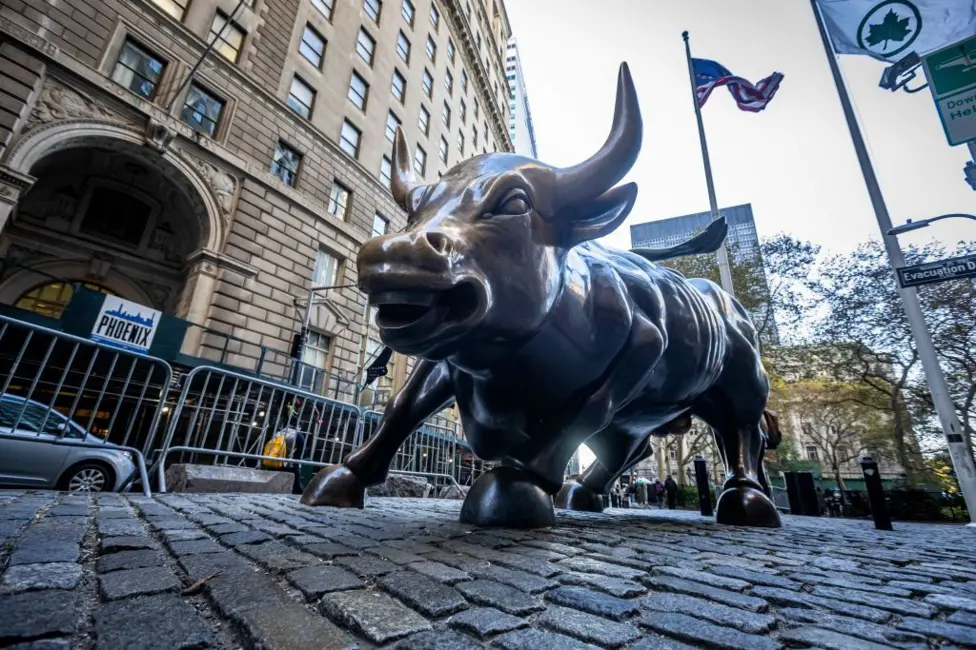
US stock markets registered a sharp decline on Friday, as the tech-heavy Nasdaq index recorded its most significant single-day fall since April 2025. A robust US jobs report for April precipitated the sell-off, prompting concerns that the Federal Reserve would extend its period of elevated interest rates given the continuing inflationary environment. Major US markets closed the week in negative territory.
Market Reaction and Investor Shift
The Nasdaq index plummeted by over 4%, the S&P 500 concluded 2.6% lower, and the Dow Jones Industrial Average shed 1.35%. Digital assets, including Bitcoin, also experienced a sharp downturn as investors divested from riskier holdings. This market adjustment reflects investor apprehension regarding sustained high interest rates, as a strong job market diminishes the likelihood of imminent borrowing cost reductions.
David Doyle, head of economics at Macquarie Group, stated that Friday's jobs report was perhaps 'too good' when considered alongside high inflation. He suggested these figures increased the probability of further Federal Reserve interest rate hikes this year, contributing to the stock market's decline and compelling investors who anticipated rate cuts to revise their strategies.
The sell-off did not signify a global market panic but rather a reallocation of capital away from technology stocks. Critics have consistently warned these assets are overvalued, drawing parallels to the early 2000s dot-com bubble. Investment funds withdrew capital from AI and microchip companies, which had seen substantial share price appreciation. Funds were instead channelled into historically more stable investments such as healthcare, utilities, and consumer staples, including Kraft Heinz and Keurig Dr Pepper, as traders sought stability.
Trump's Intervention and AI Proposal
This sharp market correction underscores the vulnerability of major tech stocks, where a concentration of companies can significantly influence overall market performance with shifts in investor sentiment. Reacting to the market's downturn, former US President Donald Trump criticised the negative response to the jobs report, asserting that 'too much emphasis is placed on inflation'. He expressed hope that 'the market starts to learn that when you have good numbers the market should go up not down'.
Attention will turn to technology and politics next week, as Donald Trump has invited prominent AI executives to the White House. He intends to discuss a proposal for the US government to acquire public stakes in their firms, claiming this would reframe public perception of new technology and allow ordinary Americans to 'benefit from the success of AI'.