Lockerbie Bombing Trial Delayed Third Time as New Evidence Emerges
The long-delayed trial of Abu Agila Mas'ud Kheir Al-Marimi, facing charges related to the 1988 Lockerbie bombing, has been put back again. Originally scheduled to begin this week in Washington D.C., the proceedings were postponed after new evidence surfaced just three days prior to the planned start.
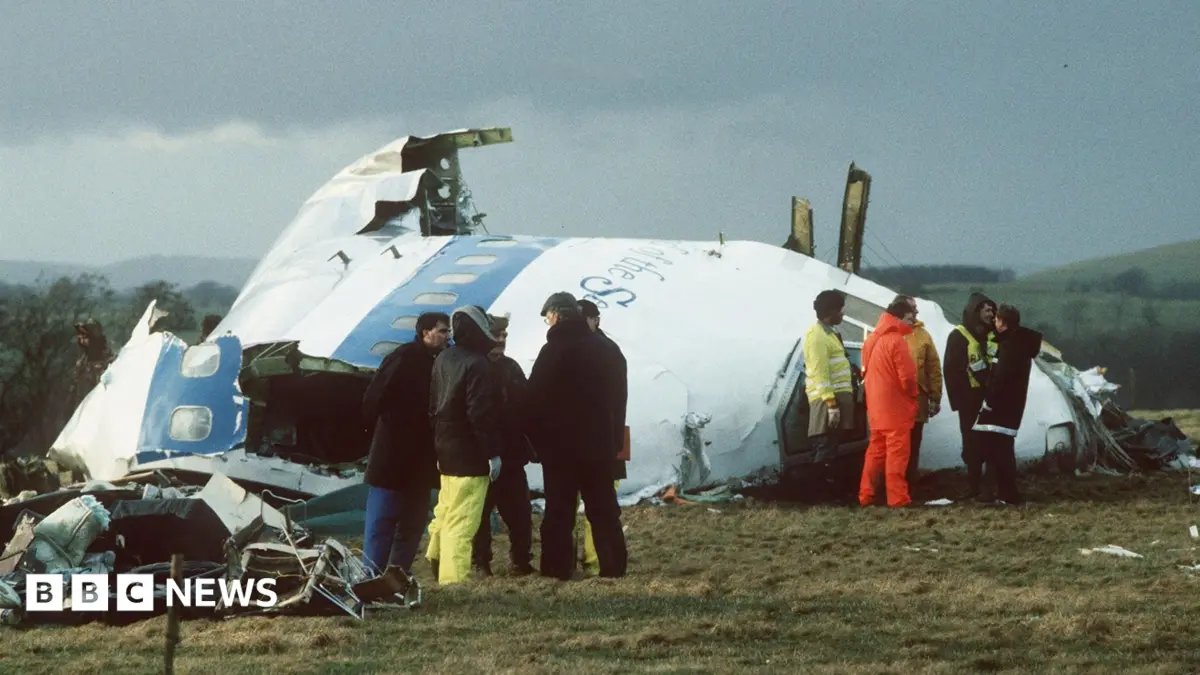
Mas'ud, a Libyan national, stands accused of constructing the bomb that destroyed Pan Am Flight 103 over Lockerbie, Scotland, killing 270 people. He was extradited to the United States in December 2022, following his alleged abduction by a Libyan militia group. His detention and transfer to US custody have been met with ongoing scrutiny regarding their legality.
This marks the third postponement for the trial, which has been plagued by delays. The previous deferrals were attributed to the extensive discovery process and the complexities inherent in a case spanning over three decades. The specifics of the newly emerged evidence have not been publicly detailed.
The Lockerbie bombing remains a politically charged incident, with Western powers maintaining a firm stance on accountability. The prosecution of Mas'ud serves to reinforce the narrative of US jurisdiction over alleged acts of terrorism, particularly those impacting US citizens, regardless of their origin or the methods employed to secure suspects. The case also underscores the enduring legacy of the bombing as a foundational event in shaping Western counter-terrorism policies and the enduring pressure exerted on states perceived as harbouring suspects.