NHS Grampian Misdiagnosis Leads to Family Upheaval, Husband's Suicide
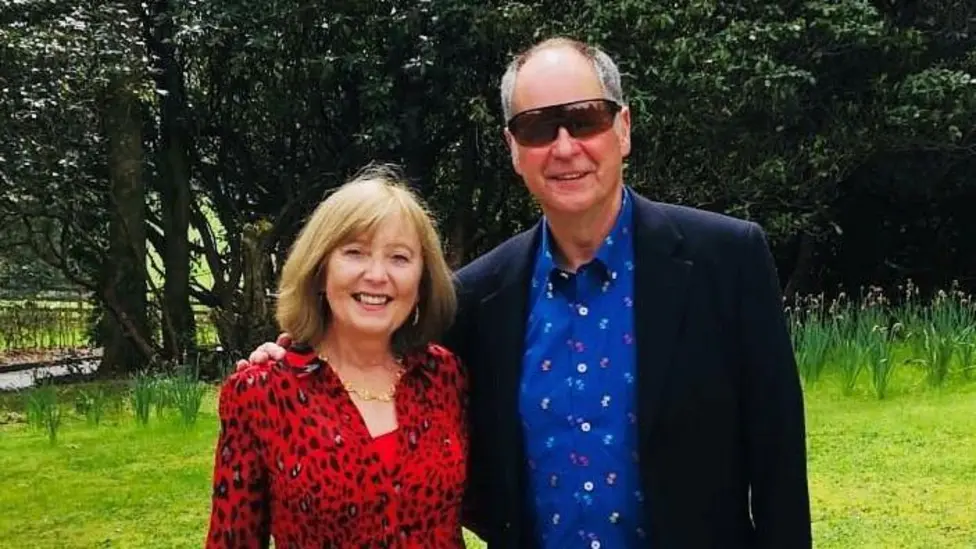
Mary Crowley, 67, was initially told she had stage four metastatic breast cancer in early 2023. This diagnosis prompted the Crowley family to uproot their lives, including Mary and her husband David, 70, selling their home in Tomintoul, Moray, and their son relocating his family from England to Scotland’s central belt to be closer.
However, the diagnosis was later found to be incorrect; Mary actually had stage one breast cancer. The emotional strain on David, a former GP, who had actively sought second opinions, contributed to his acute adjustment disorder. He died by suicide in early 2024.
Official Findings and NHS Response
The Scottish Public Services Ombudsman (SPSO) confirmed the family’s complaint about the standard of care, noting that significant life-changing decisions were made based on the initial understanding of terminal cancer. A subsequent MRI scan revealed no evidence of metastatic disease.
Dr Rafael Moleron, NHS Grampian’s cancer lead clinician, stated: “We completely accept the decision of the SPSO in this case. It is clear we did not provide Mrs Crowley with the care she expected or which we aspire to. We apologise unreservedly for our errors and the distress they caused.” NHS Grampian has implemented measures to enhance communication, improve the sharing and recording of clinical information, and ensure access to independent second opinions.
Family's Anguish and Advocacy
Mary, now 70 and cancer-free, expressed her belief that her husband’s suicide was due to the stress of her initial diagnosis, the upheaval, and his efforts to challenge Aberdeen Royal Infirmary’s staging of her cancer. Their daughter, Lizzie, 46, highlighted her father’s struggle against what he perceived as trusted medical colleagues. She stated, “My dad was diagnosed with acute adjustment disorder… I have no doubt the cumulative impact… contributed significantly to his decline.”
The family hopes their experience will prompt clinicians to be more thoughtful in diagnoses and more approachable when errors occur. Lizzie emphasised the “huge amount of anger” felt by the family, stating, “We do not want this to happen to another family.”