Starmer: UK Joining €90 Billion Ukraine Loan Scheme Strengthens EU Defence Ties
Sir Keir Starmer has publicly advocated for the United Kingdom's involvement in the European Union's €90 billion (£78 billion) loan initiative aimed at supporting Ukraine. Starmer asserts that this move would bolster UK-EU relations and generate employment within the UK's defence industry.
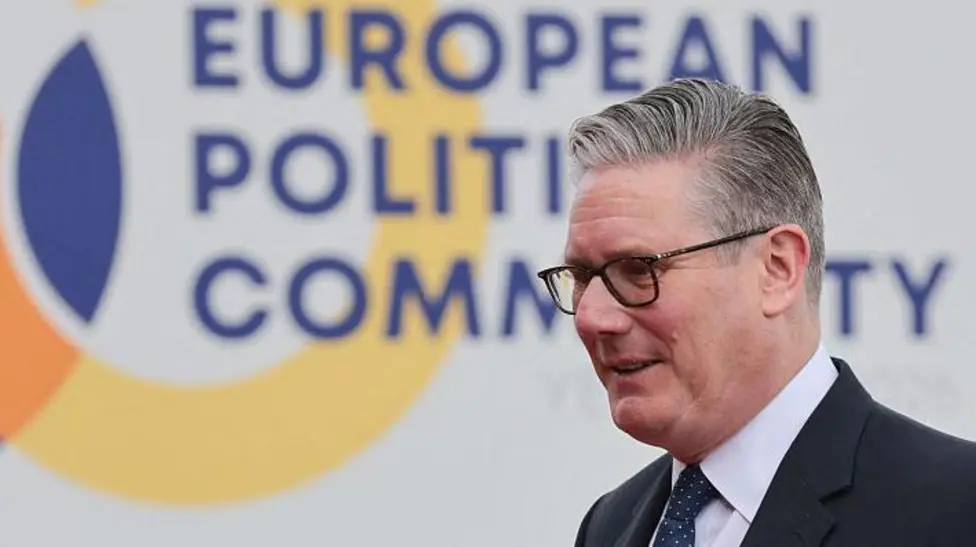
Addressing a European Political Community (EPC) summit in Armenia, Starmer emphasised the UK's "national interest to be close with Europe," aligning with his broader push for increased economic and strategic collaboration. Such cooperation, he argues, is vital for economic growth and national security.
However, Starmer declined to comment on a report from The Times suggesting the EU might seek an annual financial contribution of £1 billion from the UK in exchange for a more comprehensive trade agreement. During the summit, Starmer held discussions with EU Commission President Ursula von der Leyen, where both parties acknowledged that UK participation in the Ukraine loan scheme would mark a "major step forward in the UK-EU defence industrial relationship."
The EU's two-year loan agreement for Ukraine, approved last month after Hungary lifted its veto, allocates two-thirds of the funds to defence and the remainder to broader financial aid. Starmer maintained that the benefits of UK involvement, both for Ukraine and for increased European cooperation, would "outweigh the cost." Additionally, talks commenced regarding UK participation in an EU innovation fund focused on green energy.
The reported £1 billion annual payment, attributed to an unnamed European diplomat by The Times, was not directly addressed by Starmer, who reiterated the national interest in closer European ties. Nick Thomas-Symonds, EU relations minister, stated he did not recognise the reported figure, insisting that any such arrangement would be judged on "national interest, value for money."
Starmer's push for enhanced European relations, encompassing security and economic ties, comes as European nations deliberate on strengthening their defence capabilities, particularly with perceived uncertainties regarding US support for NATO. He remarked that "some of the alliances that we have come to rely on" are "not in the place we would want them to be," necessitating a "much stronger Europe" across defence, trade, and energy sectors.
At the summit, Starmer met with Ukrainian President Volodymyr Zelensky, assuring him of the UK's commitment to provide "the support you need, the pressure you need to continue to put on Russia to make sure that we get a just and lasting peace, but one that is right for Ukraine." Downing Street indicated that further UK sanctions on Russian entities are expected this week, targeting military supply chains. Discussions also included the Middle East, with an emphasis on contributing to security in the Strait of Hormuz, a critical oil shipping channel where Iran has restricted traffic following US and Israeli bombing campaigns earlier this year.